
Los Angeles homeowners know that the first heavy rainfall after months of dry weather often brings unwelcome surprises in the form of roof leaks and water damage. The combination of intense summer heat that can crack and warp roofing materials, plus accumulated debris in gutters and drainage systems, creates perfect conditions for water intrusion when those first storms arrive.
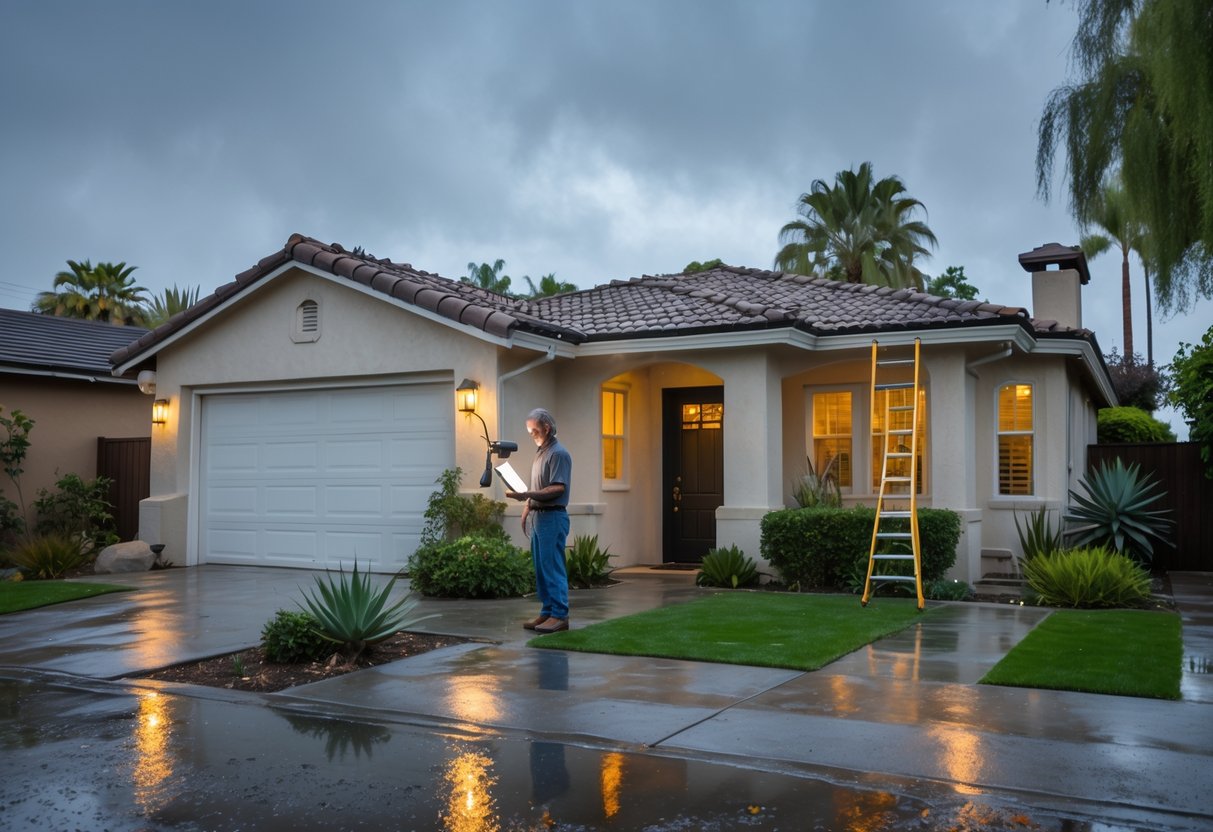
Preparing your home with a comprehensive leak prevention checklist before the first rain can save thousands of dollars in water damage repairs and protect your property from costly structural issues. The unique climate challenges in LA mean that roofs face months of UV exposure and heat stress, followed by sudden heavy downpours that test every weak point in your home’s weather protection.
Understanding what to inspect and how to prepare your drainage systems, roofing components, and interior spaces gives you the power to stay ahead of potential problems. This proactive approach helps catch small issues before they become major headaches during the rainy season.
Key Takeaways
- Check your roof, gutters, and drainage systems before the first rain to prevent water damage
- Clear debris from gutters and inspect shingles for heat damage or loose materials
- Know emergency steps to take during unexpected leaks to minimize interior damage
Why First Rain Causes Leaks in LA Homes
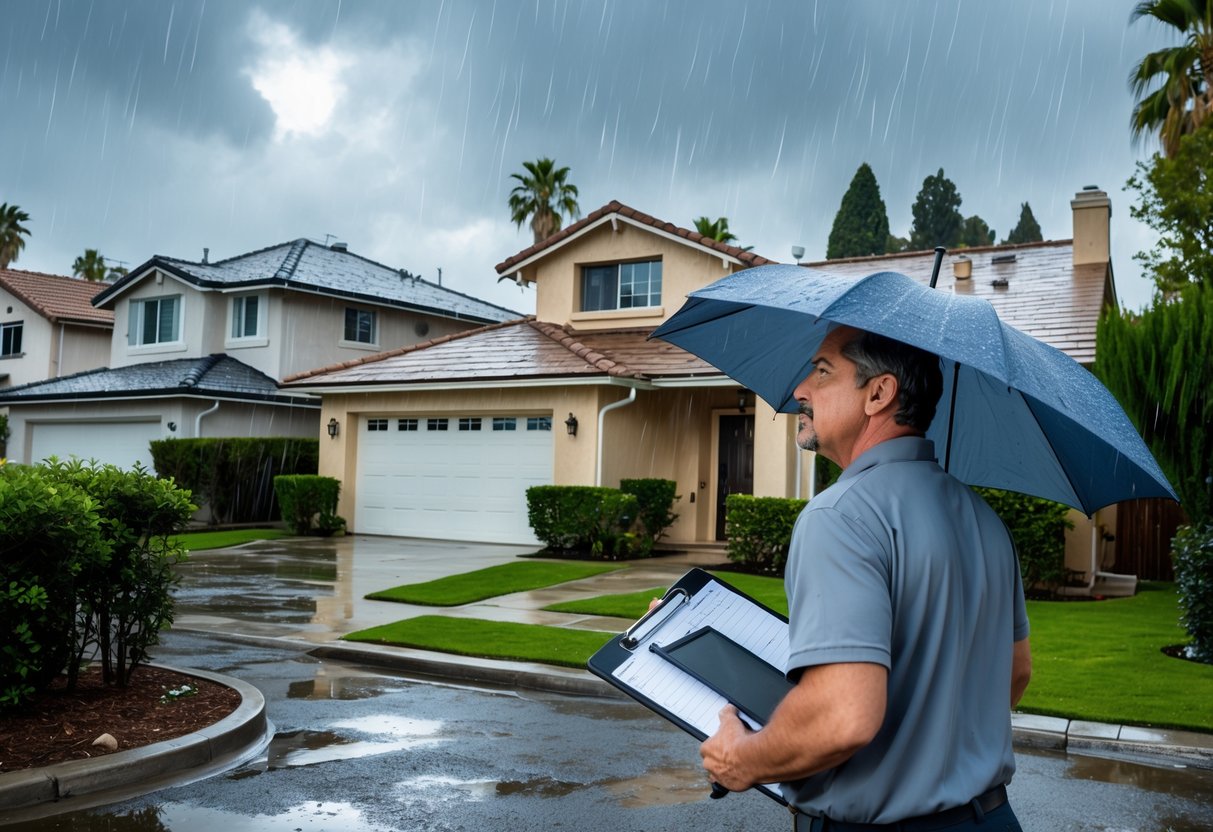
Los Angeles County faces unique conditions that make first rains particularly damaging to homes. Long dry periods weaken building materials, while sudden rainfall overwhelms unprepared roofing and drainage systems.
Climate Patterns and Rainfall Events
Los Angeles County experiences a Mediterranean climate with distinct wet and dry seasons. The region typically sees little to no rainfall for six to eight months each year.
When the first significant rain arrives, it often comes in heavy bursts. These intense storms can drop large amounts of water in short periods. Many homes cannot handle this sudden change from bone-dry conditions to heavy moisture.
Thermal expansion and contraction damage roofing materials during the dry months. Shingles crack and warp under extreme heat. Sealants around vents and chimneys dry out and shrink.
The first rain tests these weakened materials immediately. Water finds its way through cracks that formed during the dry season. Even small gaps become major entry points when storms hit.
Heavy downpours also create more water pressure on roofs than light, steady rain. This pressure forces water through openings that might not leak during gentler weather.
Common Entry Points for Water
Water enters LA homes through several predictable locations during first rains. Roofing systems suffer the most damage from months of sun exposure and thermal stress.
Flashing around chimneys, vents, and skylights fails frequently. The metal expands and contracts with temperature changes. Seals crack and create gaps where water can enter.
Gutters and downspouts collect debris during dry months. Leaves, dirt, and small branches block proper drainage. When heavy rain hits, water overflows and seeps into walls and foundations.
Windows and doors develop leaks around their frames. Weatherstripping dries out and loses its seal. Caulking shrinks and pulls away from surfaces.
Wall penetrations for utilities create additional weak spots. Cable lines, electrical meters, and HVAC units need proper sealing. These seals often fail after months without moisture.
Foundation issues also emerge during first rains. Soil that has been dry and compact suddenly becomes saturated. This creates pressure against basement walls and foundation slabs.
The Impact of Drought and Wildfires
Extended drought periods make Los Angeles County homes more vulnerable to water damage. Building materials become brittle and prone to cracking after months of intense heat and UV exposure.
Wood components shrink significantly during drought conditions. Roof decking, fascia boards, and window frames develop gaps as they lose moisture content. These gaps remain when the first rains arrive.
Wildfire damage compounds the problem for many homeowners. Even homes that avoid direct fire damage suffer from intense heat and smoke exposure. Roofing materials and exterior seals degrade faster in these conditions.
Air quality issues from wildfires also affect maintenance schedules. Homeowners often delay roof inspections and repairs during poor air quality periods. Problems go unnoticed until the first major storm hits.
Drought conditions also affect landscaping around homes. Dead vegetation and compacted soil create poor drainage patterns. Water pools against foundations instead of flowing away from structures.
The combination of material degradation and poor drainage creates perfect conditions for water intrusion. Homes that might handle normal seasonal changes struggle with the extreme conditions common in Los Angeles County.
Immediate Leak Checklist Before the First Rain

LA homeowners need to act fast when the first storms approach. A quick inspection of your roof, windows, doors, and exterior walls can prevent costly water damage during heavy downpours.
Inspect Roofing for Damage and Weakness
The roof takes the biggest hit during Los Angeles County’s winter storms. Homeowners should start by looking for missing or damaged shingles from their ground level using binoculars.
Look for these warning signs:
- Curled or cracked shingles
- Missing granules that look like bald spots
- Exposed nail heads
- Damaged flashing around chimneys and vents
Check gutters for sagging or separation from the house. Clean out all leaves and debris that block water flow.
Safety first: Never climb on wet or steep roofs. If damage looks serious, call a professional roofer right away.
Pay special attention to areas where different roof sections meet. These spots often develop leaks first during heavy rain.
Check Window and Door Seals
Windows and doors let in more water than most people realize. Run your hand around each window frame to feel for air movement on a windy day.
Key areas to inspect:
- Weatherstripping around door frames
- Caulk lines where windows meet siding
- Bottom door thresholds
- Window sills for cracks or gaps
Press the weatherstripping with your finger. If it stays compressed or feels brittle, it needs replacement.
Test each window by closing it firmly. You should not see daylight through the edges when closed.
Check sliding doors by looking at the bottom track. Water can pool here and leak inside during storms.
Evaluate Siding and Exterior Walls
Exterior walls face heavy stress during LA’s intense winter rains. Walk around your home and look for cracks in stucco or gaps in siding.
Problem areas to check:
- Cracks wider than a credit card
- Loose or missing caulk around trim
- Gaps where utilities enter the house
- Stains from previous water damage
Look up at exterior walls for water stains or discoloration. These marks show where water has already found a way inside.
Check the foundation line where walls meet the ground. Make sure soil slopes away from the house to prevent water from pooling against walls.
Small cracks can be sealed quickly with exterior caulk, but larger damage needs professional repair before the rains start.
Essential Drainage and Gutter Preparation
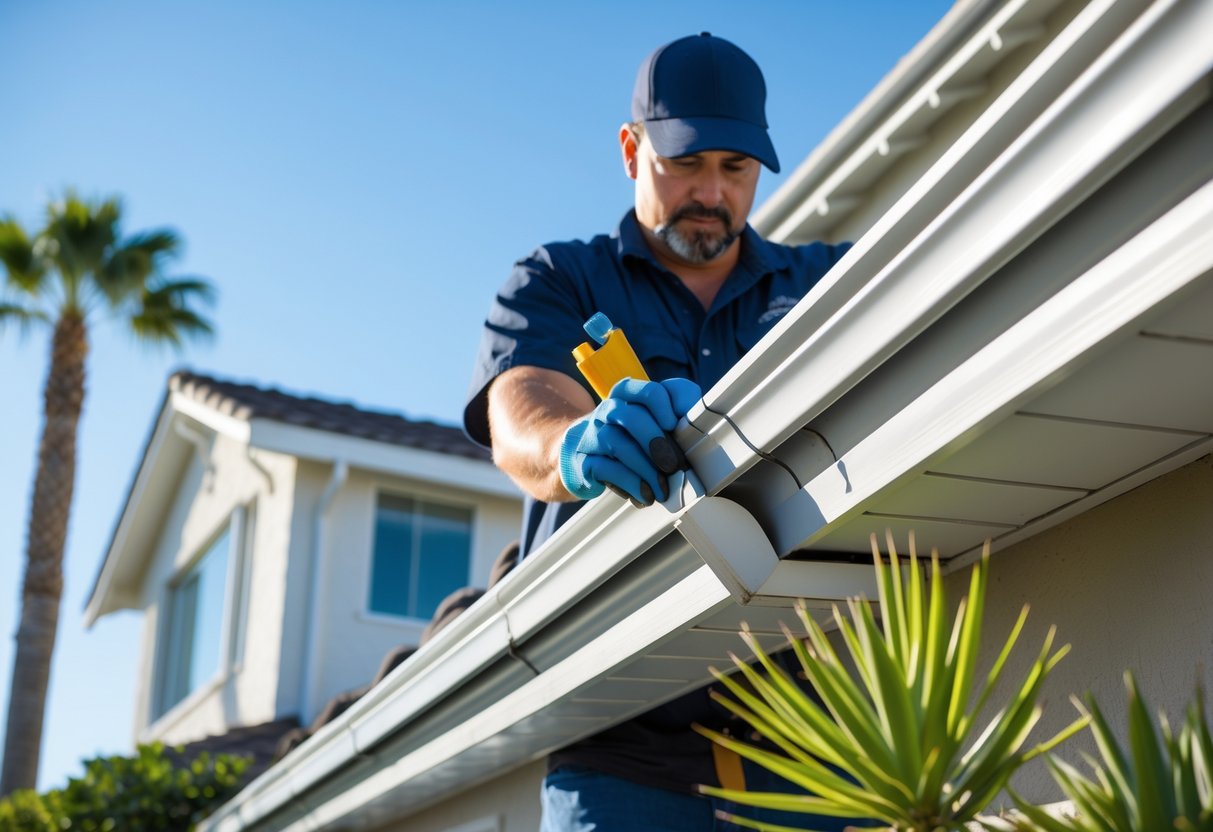
Proper gutter maintenance and drainage preparation prevents water damage during LA’s first rains. Homeowners should focus on removing debris, securing loose components, and ensuring water flows away from the foundation effectively.
Clean and Secure Gutters and Downspouts
Debris removal ranks as the most critical first step. Homeowners should clear all leaves, twigs, and accumulated dirt from gutters using a scoop or gloved hands.
After debris removal, they should flush gutters with a garden hose. This reveals hidden clogs and identifies potential leak spots that need attention.
Inspection priorities include:
- Cracks or holes in gutter sections
- Loose or separated seams
- Sagging areas that prevent proper water flow
- Rust spots on metal gutters
Homeowners must check all mounting hardware next. Screws and brackets often loosen over time from weather exposure and debris weight.
They should tighten loose fasteners and replace any missing or damaged mounting components. Sagging gutters indicate inadequate support that requires additional brackets.
Downspout clearing requires special attention. A plumber’s snake or high-pressure hose attachment effectively removes stubborn clogs.
Clear Yard Drains and Grading Issues
Yard drainage systems need inspection before the rainy season begins. Homeowners should locate all drainage grates and remove accumulated debris.
Common drainage problems include:
- Blocked storm drains filled with leaves
- French drains clogged with soil and roots
- Grading that slopes toward the house foundation
They should check ground slopes around the foundation. Water must flow away from the house, not toward it.
Homeowners can identify grading problems by observing where water pools after irrigation. Areas that hold standing water need regrading or additional drainage solutions.
Tree roots often infiltrate underground drainage systems. Professional inspection becomes necessary if water backs up repeatedly despite clearing surface debris.
Inspect Splash Blocks and Extensions
Downspout discharge points require proper setup to direct water safely away from the foundation. Splash blocks should extend at least 3 feet from the house.
Homeowners need to check that splash blocks sit level and haven’t shifted or cracked. Damaged blocks allow water to pool near the foundation instead of flowing away.
Extension requirements:
- Minimum 4-foot length from foundation
- Proper slope for water flow
- Secure connections to downspouts
- No cracks or separations
Flexible downspout extensions offer advantages during rainy seasons. They direct water farther from the house than standard splash blocks.
Homeowners should ensure extensions point toward appropriate drainage areas. Water should never flow toward neighboring properties or back toward the house.
Regular maintenance keeps these systems functioning properly throughout the rainy season.
Interior Leak Prevention Tactics
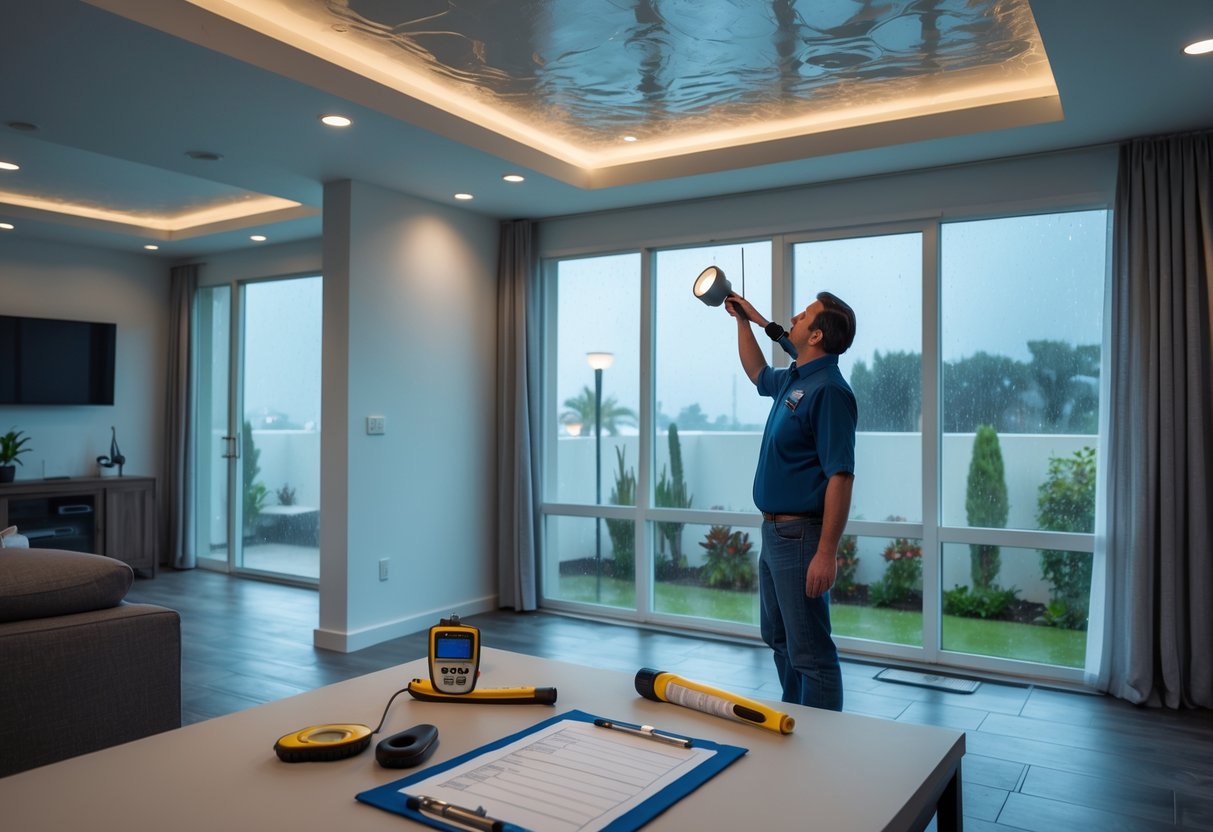
Protecting your home’s interior from rain damage requires focused attention on two critical areas where water most commonly enters. Proper monitoring of upper levels and sealing of lower levels creates a complete defense system against moisture infiltration.
Monitor Attics and Ceilings
Homeowners should inspect their attic spaces monthly for signs of water intrusion. Look for water stains on wooden beams, discolored insulation, or damp spots on the attic floor.
Check ceiling areas in all rooms for brown or yellow stains. These marks often appear weeks before visible dripping starts. Pay special attention to areas directly below roof valleys and around chimneys.
Key warning signs include:
- Peeling paint on ceilings
- Sagging drywall sections
- Musty odors in upper floor rooms
- Water droplets on light fixtures
Use a flashlight to examine corners where roof lines meet walls. These joints commonly develop small gaps that allow water entry. Feel insulation with your hands to detect dampness that may not be visible.
Document any problem areas with photos and dates. This helps track whether issues are getting worse over time.
Seal Basements and Crawl Spaces
Apply waterproof sealant to basement wall cracks larger than 1/8 inch. Even small cracks can allow significant water entry during heavy rains. Clean cracks thoroughly before applying sealant for better adhesion.
Install a dehumidifier in basements with humidity levels above 50 percent. High moisture creates conditions for mold growth and wood rot. Check humidity with an inexpensive digital meter.
Essential basement preparations:
- Seal around pipe penetrations with expanding foam
- Replace damaged foundation caulking
- Clear floor drains of debris
- Test sump pump operation monthly
Crawl spaces need proper vapor barriers on dirt floors. Use 6-mil plastic sheeting that overlaps by 6 inches at seams. Secure edges with landscape staples or weights.
Check crawl space vents for proper airflow. Blocked vents trap moisture and create stagnant air conditions that promote mold growth.
Emergency Steps During Unexpected Rain Leaks
When rain starts coming through the roof, homeowners need to act fast to prevent water damage. The key is to control the water flow and protect belongings while staying safe indoors.
How to Respond to Active Leaks
Safety comes first – never go on the roof during rain or storms. Wet surfaces are dangerous and can cause serious falls.
Move furniture and belongings away from the leak area right away. Water can ruin electronics, wood furniture, and carpets within minutes.
Place buckets or large containers under the leak to catch water. Use towels around the base to soak up splashing water.
Find the source from inside the house. Look for water stains on ceilings and walls. The leak might show up in one room but start somewhere else above it.
Turn off electricity to any outlets or fixtures near the leak. Water and electricity don’t mix and can cause fires or shock.
Take photos of the damage for insurance claims. Document where water is coming in and what items got wet.
Call a roofing professional as soon as possible. Many offer emergency services during storms.
Temporary Leak Containment Materials
Roofing tape works well for small cracks and gaps. Clean the area first, then press the tape firmly over the leak. This creates a waterproof seal that can last several days.
Tarps provide the best coverage for larger leak areas. Use a heavy-duty tarp that extends at least 3 feet beyond the damaged area on all sides.
Secure tarps with rope or bungee cords. Tie them to stable parts of the roof structure, not just loose shingles.
Roofing sealant adds extra protection over tape or around small holes. Apply it thick enough to fill gaps completely.
Plastic sheeting can work if tarps aren’t available. Use heavy plastic and secure it well to prevent wind from tearing it off.
Essential supplies to keep on hand:
- Waterproof roofing tape
- Heavy-duty tarps (various sizes)
- Rope and bungee cords
- Roofing sealant
- Buckets and towels
- Plastic sheeting
These materials only provide temporary fixes. Professional repair is needed for permanent solutions.
Long-Term Solutions and Local Resources
Preventing future rain damage requires strategic investments and knowing where to find help. Los Angeles homeowners can access county resources, hire qualified contractors, and upgrade materials to build lasting protection against seasonal storms.
Choosing Qualified Local Contractors
Finding the right contractor prevents costly mistakes and ensures work meets local standards. Los Angeles requires specific licenses and permits for most leak repair projects.
Check contractor credentials through these steps:
- Verify California contractor’s license at cslb.ca.gov
- Confirm workers’ compensation and liability insurance
- Request references from recent local projects
- Get detailed written estimates from at least three contractors
Licensed contractors must pull permits for major roof repairs, foundation work, and electrical changes. Permits protect homeowners and ensure work meets safety codes.
Red flags to avoid:
- Door-to-door solicitation after storms
- Requests for full payment upfront
- No physical business address
- Pressure to sign immediately
Los Angeles County maintains a list of disaster recovery contractors. These pre-screened professionals understand local building codes and climate challenges.
Accessing Los Angeles County Assistance and Hotlines
Los Angeles County offers several programs to help homeowners address leak damage and prevention. These resources provide guidance, inspections, and sometimes financial assistance.
Key county resources include:
- Building and Safety Department: Provides permit guidance and inspections
- Public Works: Handles drainage issues affecting private property
- Consumer Protection: Investigates contractor complaints
The county’s 311 hotline connects residents to appropriate departments. Operators can direct calls about drainage problems, permit questions, or contractor disputes.
Emergency repair assistance may be available for low-income homeowners through community development programs. Applications typically require income verification and property assessments.
Los Angeles also participates in FEMA’s Hazard Mitigation Grant Program. This federal funding helps homeowners make flood-resistant improvements after declared disasters.
Upgrading Materials for Future Protection
Modern materials offer better protection against Los Angeles’ unpredictable rain patterns. Strategic upgrades reduce long-term maintenance costs and improve home value.
High-impact improvements include:
- Cool roofs with reflective coatings – reduce thermal expansion and extend shingle life
- Impact-resistant shingles – withstand debris and thermal cycling better than standard materials
- Seamless gutters – eliminate leak-prone joints and improve water flow
- Waterproof foundation coatings – create barriers against soil moisture
Window and door upgrades should include proper flashing installation. Quality weatherstripping prevents water infiltration during wind-driven rain events.
Consider installing smart leak detection systems in vulnerable areas. These devices send phone alerts when moisture levels rise, allowing quick response to prevent major damage.
Los Angeles’ Low Impact Development ordinance encourages rainwater capture systems. Rain barrels and permeable surfaces reduce runoff while providing water for landscaping during dry periods.
Frequently Asked Questions
LA homeowners need clear guidance on preparing for the rainy season and handling leaks when they occur. These questions address the most common concerns about roof maintenance schedules, vulnerable areas, vegetation management, and emergency response procedures.
What steps should homeowners take to prepare their Los Angeles home for the rainy season?
Homeowners should clean gutters and downspouts every 3 to 4 months before rain arrives. They need to remove leaves, dirt, and debris that can cause water backup.
Roof inspections should focus on missing or cracked shingles, loose flashing around vents and chimneys, and damaged sealant. Property owners must check that water flows freely through all drainage systems.
Windows and doors require attention where cracks allow water seepage. Homeowners should inspect areas where walls meet the foundation for potential entry points.
Attic spaces need examination for daylight coming through roof boards or existing water stains. Any signs of moisture or mold growth indicate areas that need repair before rain season.
Which areas of a home are most prone to leaks during the first rain in Los Angeles, and how can they be identified?
Flashing around chimneys, vents, and skylights represents the most common leak source. Homeowners can spot cracked or rusted metal flashing and dried or peeling caulk around these features.
Valley areas where two roof sections meet collect water and debris. Property owners should look for damaged shingles or missing sealant in these locations.
Gutters and downspouts cause problems when clogged or separated from the fascia. Sagging sections or rust spots indicate areas that need immediate attention.
Flat roof sections tend to develop ponding water after rain. Homeowners can identify these problem areas by checking for bubbling, blistering, or cracks in the roof membrane.
What maintenance routines are suggested to prevent water damage in LA homes ahead of the rain season?
Monthly visual inspections help catch developing problems early. Homeowners should use binoculars to safely check for missing shingles, debris buildup, or sagging rooflines from ground level.
Semi-annual deep inspections in spring and fall provide thorough roof assessment. Property owners need to examine both exterior surfaces and interior attic spaces for signs of wear or damage.
Gutter cleaning should occur every 3 to 4 months or more frequently near trees. Homeowners must ensure water flows properly and check for loose hangers or joint leaks.
Sealant and flashing maintenance prevents water intrusion through small openings. Property owners should reapply high-quality roof sealant where cracks or gaps appear.
How often should LA homeowners inspect their roofs for potential leak vulnerabilities?
Homeowners should conduct monthly visual inspections using binoculars or drone cameras for safety. These quick checks help identify obvious problems like missing shingles or debris accumulation.
Semi-annual deep inspections in spring and fall provide comprehensive roof evaluation. Property owners need to examine shingles, tiles, flashing, and gutters during these thorough reviews.
Additional inspections become necessary after major wind events or heavy rains. Santa Ana winds can deposit debris or damage roofing materials that require immediate attention.
Professional inspections every few years help identify issues that homeowners might miss. Trained contractors can safely access steep or tile roofs for detailed assessment.
Can vegetation around a home contribute to leakage problems during LA’s first rain, and what preventive actions can be taken?
Trees and shrubs increase gutter cleaning frequency due to falling leaves and branches. Homeowners should remove organic debris that can clog drainage systems and cause water backup.
Overhanging branches can damage shingles or tiles during windstorms. Property owners need to trim vegetation that comes within six feet of the roof surface.
Pine needles and dry organic matter create fire hazards during wildfire season. Homeowners in fire-prone areas must keep roofs completely clear of combustible debris.
Gutter guards help reduce maintenance needs in heavily vegetated areas. These systems prevent most leaves and debris from entering drainage channels while allowing water flow.
What are the recommended procedures for homeowners to follow if they find a leak during or after the first rain?
Immediate action includes placing containers to catch dripping water and moving belongings away from affected areas. Homeowners should document damage with photos for insurance purposes.
Interior water should be cleaned up quickly to prevent mold growth. Property owners need to use fans or dehumidifiers to dry wet areas within 24 to 48 hours.
Temporary roof repairs may include applying roofing cement or tarps over damaged areas. Homeowners should only attempt these fixes if they can work safely from ladders.
Professional roofing contractors should handle permanent repairs and thorough damage assessment. Property owners need to contact qualified roofers who understand local building codes and permit requirements.