
Slate roofs stand out as one of the most durable roofing materials available, but homeowners in Southern California often wonder how the region’s unique climate affects their longevity. In Southern California, slate roofs typically last between 75 to 150 years when properly maintained, with some premium grades potentially reaching 200 years. The mild climate and limited freeze-thaw cycles actually work in favor of slate’s durability compared to harsher northern climates.
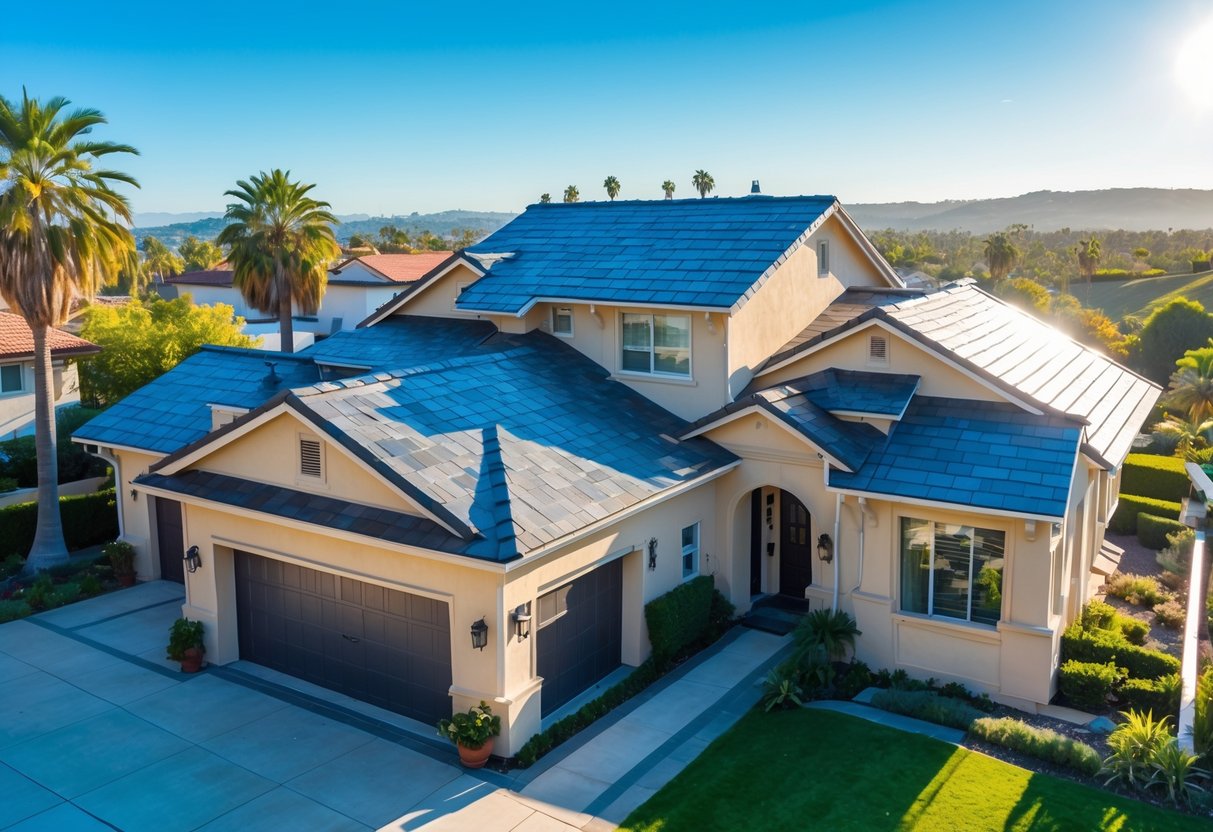
Southern California’s dry summers and moderate winters create favorable conditions for slate roofing systems. Unlike regions with severe weather patterns, the lack of extreme temperature fluctuations reduces the expansion and contraction stress that can damage slate tiles over time. However, factors like installation quality, slate grade, and regular maintenance still play crucial roles in determining actual lifespan.
Understanding what affects slate roof longevity in this climate helps homeowners make informed decisions about installation, maintenance, and long-term investment value. The initial cost may be higher than other roofing materials, but the exceptional lifespan often makes slate an economical choice over several decades.
Key Takeaways
- Slate roofs in Southern California last 75 to 150 years due to the region’s mild climate and limited weather extremes
- Proper installation with quality materials and regular maintenance are essential for maximizing slate roof lifespan
- While slate costs more upfront than other roofing materials, its exceptional durability makes it cost-effective over time
Average Lifespan of Slate Roofs in Southern California
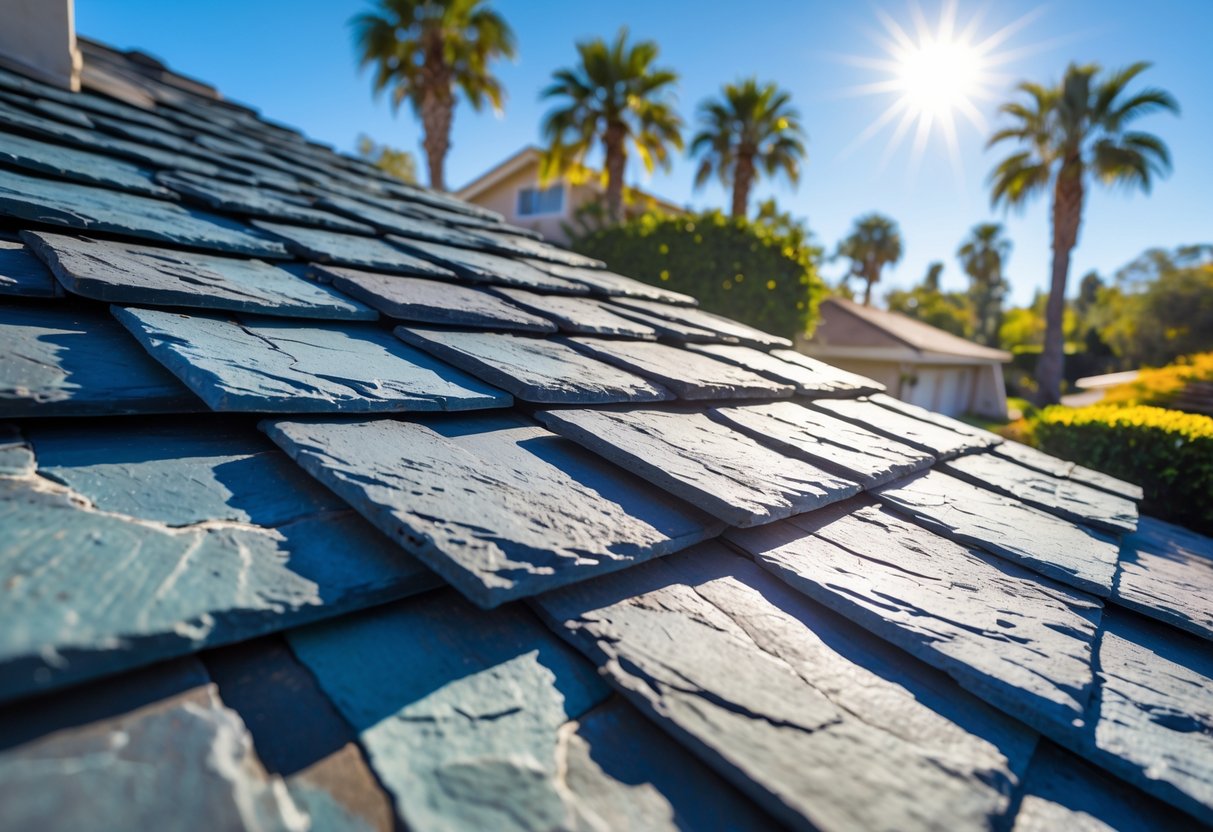
Slate roofs in Southern California typically last 75-200 years, making them one of the most durable roofing materials available in the region. The state’s mild climate and limited freeze-thaw cycles actually help extend slate roof longevity beyond what homeowners might expect in harsher climates.
How Long Does a Slate Roof Typically Last?
Premium slate roofs can last up to 200 years in Southern California’s favorable climate conditions. Most slate roofing installations achieve lifespans of 75-125 years with proper maintenance.
The quality grade determines longevity significantly. S1-grade slate exceeds 75 years of service life. S2-grade slate lasts 40-75 years. S3-grade slate provides 20-40 years of protection.
Southern California’s climate benefits slate roof longevity. The region experiences fewer extreme temperature fluctuations than other areas. Limited freeze-thaw cycles reduce cracking and deterioration.
Welsh slate and other premium varieties perform exceptionally well in the state’s conditions. These high-density materials resist moisture infiltration and weather damage effectively.
Slate Lifespan Compared to Other Roofing Materials
Slate roofing significantly outlasts other common materials used in Southern California homes. The comparison shows why many homeowners choose slate despite higher initial costs.
| Roofing Material | Southern California Lifespan |
|---|---|
| Slate Roofing | 75-200 years |
| Clay Tile | 50-80 years |
| Metal Roofing | 40-60 years |
| Asphalt Shingles | 15-25 years |
| Composite Shingles | 20-30 years |
Asphalt shingles require replacement 3-8 times during a single slate roof’s lifetime. This makes slate more cost-effective long-term despite higher upfront investment.
Clay tile roofs last longer than asphalt but still require replacement twice during a slate roof’s service life. Metal roofing offers good durability but needs replacement 2-3 times compared to slate.
Common Lifespan Ranges Observed Locally
Local roofing contractors report slate roofs reaching 100-150 years in coastal Southern California areas. Inland regions with higher temperature variations see lifespans of 75-125 years.
Historic buildings throughout the region showcase slate roofs exceeding 100 years of service. Many Victorian-era homes in Los Angeles and San Francisco still feature original slate installations.
Maintenance quality affects observed lifespans significantly. Well-maintained slate roofs consistently reach the upper end of expected ranges. Neglected installations may require major repairs or replacement earlier.
Installation quality impacts longevity substantially. Professional installation using proper techniques ensures roofs reach their full potential lifespan. Poor installation can reduce roof longevity by 25-50 years.
Key Factors Affecting Slate Roof Longevity
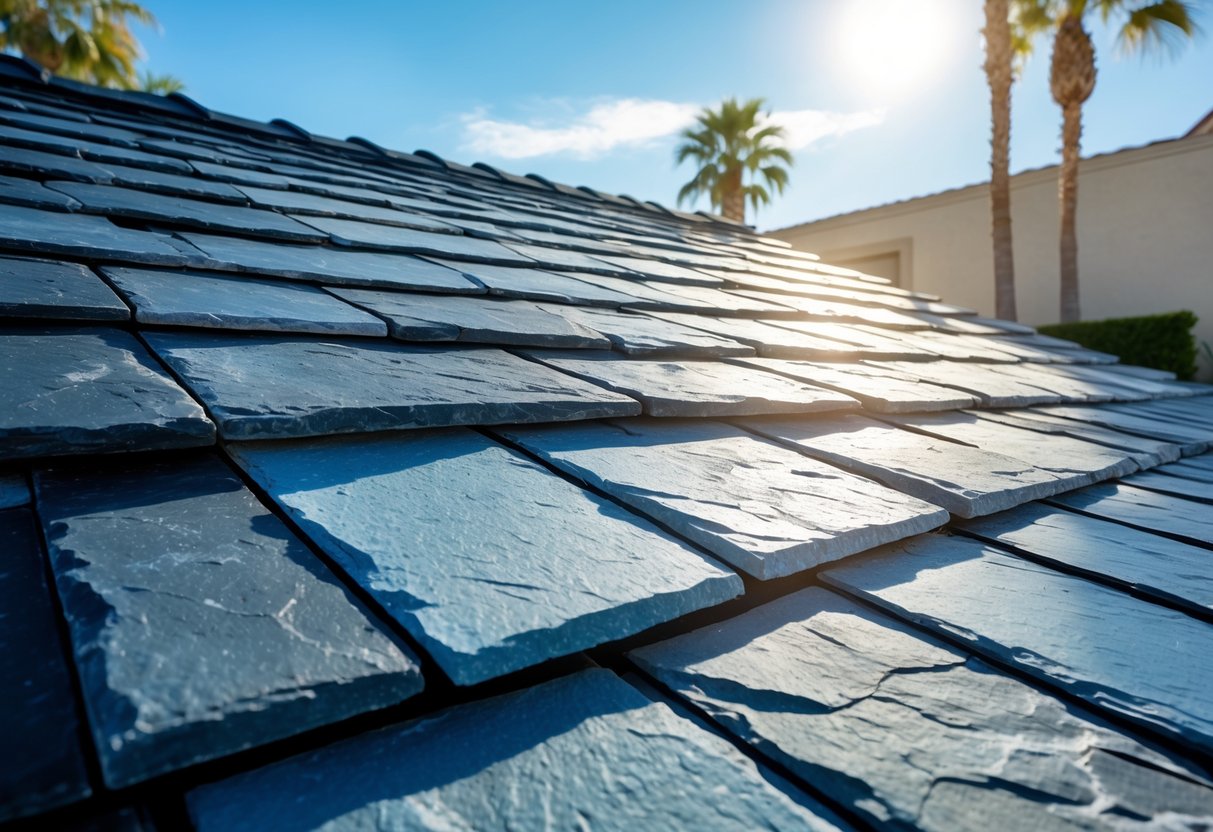
Three main elements determine how long a slate roof will last in Southern California: the region’s unique climate conditions, the grade of natural slate selected, and the precision of installation work performed.
Impact of Southern California Climate
Southern California’s dry climate benefits slate roofs significantly. The lack of heavy rainfall reduces water damage risks that affect other regions.
Temperature extremes pose the main challenge. Summer heat can reach over 100°F in inland areas. This intense heat can cause slate to expand and contract repeatedly.
Coastal areas face salt air exposure. Salt can corrode metal fasteners and flashing over time. Proper materials help prevent this issue.
Minimal freeze-thaw cycles give Southern California an advantage. Most areas rarely experience freezing temperatures. This prevents the cracking that damages slate in colder climates.
Wildfire risk creates unique concerns. Slate itself resists fire well. However, extreme heat from nearby fires can damage even fire-resistant materials.
Wind conditions vary by location. Desert areas and mountain passes experience strong winds. These can lift loose or improperly installed slate pieces.
Quality of Natural Slate Material
The grade of natural slate directly impacts roof longevity. Premium Welsh slate can last 150+ years. Lower grades may only reach 75-100 years.
Slate density matters most. Dense slate resists weathering better than porous varieties. Quality slate has fewer natural fractures and weak points.
Color affects durability in hot climates. Darker slate absorbs more heat than lighter colors. This can cause faster deterioration in Southern California’s intense sun.
Quarry source influences quality significantly. Established quarries typically produce more consistent slate. New or unknown sources may have quality variations.
Slate thickness ranges from 1/4 inch to 3/4 inch. Thicker slate lasts longer but costs more. Most homes use 1/4 to 3/8 inch thickness effectively.
Testing certifications help identify quality slate. ASTM standards rate slate durability and weather resistance. These ratings predict actual performance.
Installation Method and Workmanship
Proper installation techniques determine whether slate reaches its full lifespan potential. Poor workmanship can cut roof life in half.
Fastener selection proves critical. Stainless steel or copper nails resist corrosion best. Regular steel fasteners fail quickly in coastal areas.
Slate overlap must follow manufacturer specifications. Insufficient overlap allows water penetration. Too much overlap wastes materials and adds weight.
Roof deck preparation affects long-term performance. The deck must support slate’s heavy weight properly. Reinforcement may be needed for older homes.
Flashing installation requires special attention. Copper flashing lasts as long as slate itself. Cheaper materials create weak points that fail early.
Worker experience matters significantly. Slate installation requires specialized skills. Inexperienced installers often crack tiles during installation.
Ventilation design impacts slate performance. Proper airflow prevents heat buildup under tiles. This reduces thermal stress and extends slate life.
Maintenance and Care for Prolonging Slate Roof Life
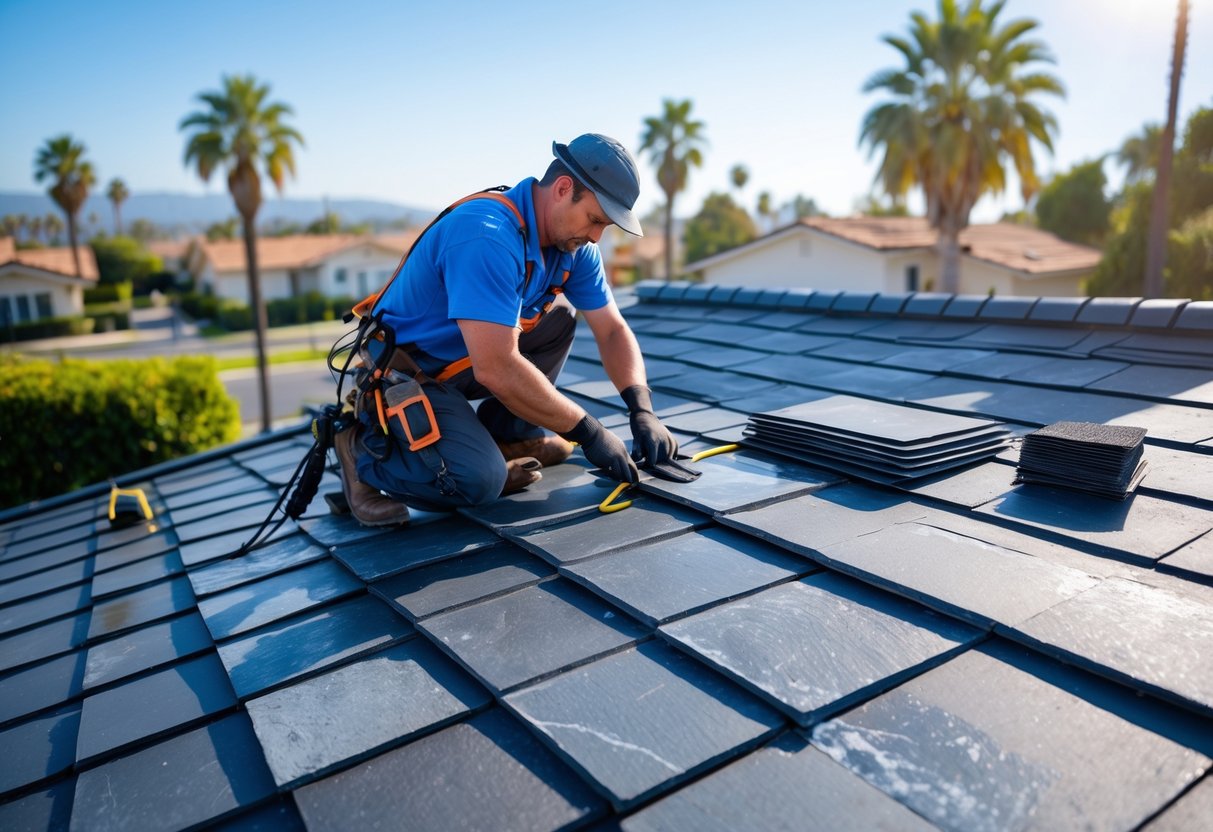
Proper maintenance keeps slate roofs functioning well for decades in Southern California’s unique climate. Regular inspections, managing moisture buildup, and protecting against weather damage are the three most important steps homeowners can take.
Routine Inspections and Repairs
Homeowners should schedule professional slate roof inspections twice yearly in Southern California. Spring and fall inspections help catch problems before the rainy season arrives.
Key inspection areas include:
- Cracked or broken slate tiles
- Loose or missing fasteners
- Damaged flashing around chimneys and vents
- Clogged gutters and downspouts
Broken tiles need immediate replacement to prevent water damage. A qualified slate roofer should handle repairs since walking on slate can cause more cracks.
Minor issues like loose tiles or small flashing gaps cost $200-500 to fix. Waiting too long can lead to roof replacement needs that cost $15,000-30,000 for an average home.
Professional roofers use matching slate tiles and proper copper or stainless steel fasteners. They also check the roof deck underneath for any water damage or rot.
Attic Ventilation and Moisture Management
Good attic ventilation prevents moisture buildup that can damage slate roofs from underneath. Southern California’s temperature swings make proper airflow especially important.
Ridge vents and soffit vents work together to create air circulation. Hot air rises and exits through ridge vents while cool air enters through soffit vents.
Signs of poor ventilation include:
- Condensation on attic surfaces
- Ice dams in mountain areas
- Higher energy bills
- Musty odors
Blocked vents reduce airflow and trap moisture. Homeowners should clear debris from vents seasonally and add more ventilation if needed.
Proper ventilation also prevents the roof deck from warping or rotting. This extends the time before roof replacement becomes necessary.
Preventing Damage From Severe Weather
Southern California’s Santa Ana winds and occasional storms can damage slate roofs. Preparation and quick response help minimize problems.
Tree branches pose the biggest threat to slate tiles. Homeowners should trim branches at least 10 feet away from the roof. Falling limbs can crack multiple tiles at once.
Weather preparation steps:
- Secure loose gutters and downspouts
- Remove debris from roof surfaces
- Check flashing seals around penetrations
- Document roof condition with photos
After windstorms, homeowners should inspect their roof from the ground using binoculars. Look for missing, cracked, or shifted tiles.
Professional inspection becomes necessary after severe weather events. Even small cracks can let water penetrate and cause bigger problems over time.
Quick repairs after storms prevent water damage to the home’s interior and structure.
Slate Roofing Versus Other Common Roof Types
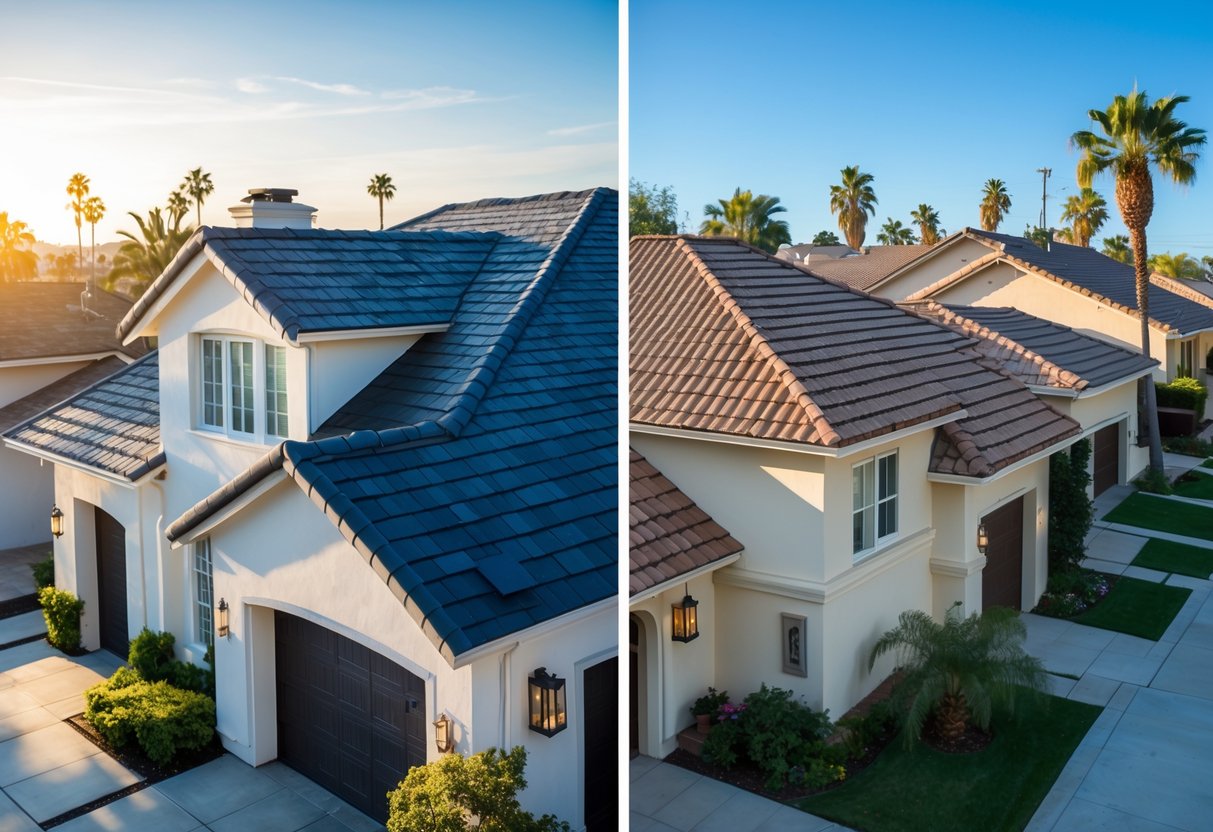
Slate roofs outlast most roofing materials by decades, with lifespans of 75-200 years compared to 15-30 years for asphalt shingles and 40-70 years for metal roofing. The higher upfront cost of slate often balances out over time due to fewer replacements needed.
Slate Versus Asphalt Shingles
Asphalt shingles represent the most common roofing choice in Southern California. They typically last 15-30 years before needing replacement.
Slate roofs cost significantly more upfront but can last 5-10 times longer than an asphalt shingle roof. A single slate installation may outlast multiple asphalt shingle replacements.
Maintenance Requirements:
- Asphalt shingles need regular inspections for curling and granule loss
- Slate requires minimal maintenance beyond occasional tile replacement
- Weather damage affects asphalt shingles more frequently
Southern California’s sun exposure causes asphalt shingles to deteriorate faster. The granules protect against UV rays but wear away over time.
Slate naturally resists sun damage and maintains its appearance for decades. The material doesn’t fade or crack under constant sunlight like asphalt shingles do.
Slate Versus Metal Roofing
Metal roofing offers better longevity than asphalt but falls short of slate durability. Most metal roofs last 40-70 years with proper installation and maintenance.
Installation costs for metal roofing sit between asphalt shingles and slate. Metal provides good value for homeowners seeking durability without slate’s premium price.
Performance Differences:
- Metal roofs can dent from hail or falling debris
- Slate resists impact damage better than most metal materials
- Both materials handle fire resistance well
Metal roofs reflect heat effectively in Southern California’s climate. This energy efficiency can reduce cooling costs during hot summers.
Slate provides natural insulation properties but weighs considerably more than metal. The extra weight requires stronger structural support during installation.
Corrosion affects some metal roofing materials over time. Coastal areas with salt air can accelerate this process, while slate remains unaffected by corrosion.
Slate Compared to Flat Roofing Materials
Flat roof systems use materials like modified bitumen, EPDM rubber, or built-up roofing. These typically last 15-25 years before requiring replacement.
Commercial buildings often use flat roof designs, but some residential properties in Southern California feature flat or low-slope sections. Slate works better on sloped roofs with proper drainage.
Durability Factors:
- Flat roofing materials develop leaks more frequently
- Standing water damages flat roof surfaces over time
- Slate’s sloped installation prevents water accumulation
Flat roof maintenance requires regular inspections for membrane damage. Repairs often involve patches or complete section replacement.
Slate tiles rarely need replacement unless physically damaged. The individual tile system allows for spot repairs without affecting surrounding areas.
Climate considerations favor slate in Southern California’s dry conditions. Flat roofing materials can suffer from thermal expansion and UV degradation in intense heat.
When to Consider Repair or Replacement
Slate roofs in Southern California typically need evaluation every 10-15 years, even with their long lifespan. Knowing the warning signs and timing factors helps homeowners make smart decisions about maintenance investments.
Signs Your Slate Roof May Need Service
Visible slate damage is the most obvious indicator that service is needed. Cracked, broken, or missing slate tiles expose the roof deck to water damage.
Homeowners should look for tiles that have shifted out of place or show white chalky residue on the surface. This residue indicates the slate is breaking down from weather exposure.
Water stains on interior ceilings signal roof leaks that need immediate attention. Even small leaks can cause major structural damage over time.
Gutters filled with slate particles or granules show that tiles are deteriorating. This is especially common in roofs over 75 years old.
Sagging roof sections indicate structural problems that may require roof replacement rather than simple repairs. Professional inspection is essential for safety.
Evaluating Roof Replacement Timing
The age of the slate determines replacement urgency. Roofs over 100 years old typically need more frequent repairs, even with quality materials.
Weather damage assessment is crucial after major storms. Hail, high winds, and falling branches can crack multiple tiles at once.
When repair costs exceed 30% of roof replacement cost, full replacement becomes more economical. This threshold helps homeowners avoid throwing money at an aging system.
The condition of underlayment and flashing also affects timing decisions. These components may fail before the slate itself, requiring extensive work.
Structural integrity of the roof deck must support slate’s heavy weight. Compromised decking requires replacement regardless of slate condition.
Costs and Investment Perspective
Slate roof replacement in Southern California ranges from $15-40 per square foot installed. Premium Welsh or Vermont slate costs more than standard grades.
Repair costs for minor issues typically run $200-500 per damaged tile, including labor. Multiple repairs can quickly add up to significant expenses.
The remaining lifespan affects investment value. A 50-year-old slate roof may provide another 50 years of service with proper maintenance.
Energy savings from slate’s thermal mass can offset higher initial costs over time. This natural insulation reduces cooling expenses in hot climates.
Insurance benefits may apply since slate roofs resist fire, hail, and wind damage better than other materials. Some insurers offer discounts for slate installations.
Frequently Asked Questions
Slate roofs in Southern California face unique conditions that affect their performance and longevity. The region’s mild temperatures, low rainfall, and intense UV exposure create specific challenges and advantages for this premium roofing material.
What is the average lifespan of a slate roof in regions with a climate similar to Southern California?
Slate roofs in Mediterranean-like climates typically last 75 to 150 years. The mild temperatures and low moisture levels in Southern California help slate reach the upper end of this range.
Hard slate varieties can exceed 125 years in these conditions. Soft slate types may show some surface wear around the 75-year mark but still provide excellent protection.
The lack of severe freeze-thaw cycles in Southern California protects slate from one of its main sources of damage. This gives homeowners confidence in the long-term investment.
How does Southern California weather affect the durability of slate roofing materials?
Southern California’s intense UV radiation causes gradual surface weathering on slate tiles. However, natural slate resists UV damage better than most roofing materials.
The region’s low rainfall reduces water-related issues like moss growth and moisture penetration. This helps prevent the degradation that affects slate roofs in wetter climates.
Hot, dry conditions can cause slight thermal expansion and contraction. Quality installation with proper fasteners minimizes any movement-related problems.
Occasional Santa Ana winds test the wind resistance of slate installations. Properly installed slate tiles handle these conditions well due to their weight and secure attachment methods.
What maintenance practices extend the lifespan of a slate roof in Southern California?
Annual inspections help identify UV damage, cracked tiles, or loose fasteners before they become major problems. Focus on checking flashing around chimneys and vents.
Cleaning debris from gutters and roof valleys prevents water backup during rare heavy rains. Use soft brushes rather than pressure washers to avoid damaging tiles.
Replace broken or cracked slate tiles promptly using matching materials from the original quarry when possible. Even minor damage can lead to water infiltration during storms.
Trim tree branches away from the roof surface to prevent abrasion and reduce debris accumulation. Keep branches at least 6 to 8 feet from the roof edge.
Are there specific types of slate that perform better under the Southern Californian climate?
Vermont slate performs exceptionally well in Southern California’s climate due to its hard composition and low water absorption. This variety resists UV degradation and thermal stress.
Buckingham slate also handles the region’s conditions effectively. Its dense structure and uniform thickness provide consistent performance under intense sun exposure.
Welsh slate offers excellent durability in hot, dry climates. The tight grain structure resists surface weathering from prolonged UV exposure.
Avoid soft slate varieties like some Pennsylvania types in Southern California. These may show premature surface delamination under intense sun and heat cycles.
Can frequent weather variations in Southern California shorten the expectancy of slate roofs?
Southern California’s relatively stable climate actually extends slate roof life compared to regions with extreme temperature swings. The mild variations cause minimal thermal stress.
Occasional heat waves create temporary expansion but rarely damage properly installed slate systems. Quality fasteners and underlayment accommodate these minor movements.
Rare cold snaps pose little threat since they seldom reach freezing temperatures. This eliminates the freeze-thaw damage that shortens slate life in colder regions.
The main weather concern is extended drought followed by heavy rainfall. Proper maintenance of flashing and gutters prevents problems during these transitions.
What are the common issues to look out for in slate roofs over time in Southern California?
UV-related surface chalking or slight color fading may appear after decades of exposure. This cosmetic change doesn’t affect the tile’s protective qualities.
Flashing deterioration around penetrations occurs faster than slate tile wear. Check copper or galvanized flashing for corrosion or separation annually.
Fastener corrosion can develop in coastal areas due to salt air exposure. Stainless steel or copper nails prevent this common problem.
Cracked tiles from falling tree branches or impacts need immediate attention. Even small cracks can allow water penetration during infrequent but heavy rains.