
When homeowners face roofing problems, the biggest question is whether to repair or replace their roof. The answer depends on your roof’s age, the extent of damage, and how much you’ve spent on recent repairs – but generally, roofs under 15 years old with isolated damage should be repaired, while older roofs with widespread issues are better replaced. Making the wrong choice can cost thousands of extra dollars and leave you dealing with recurring problems.
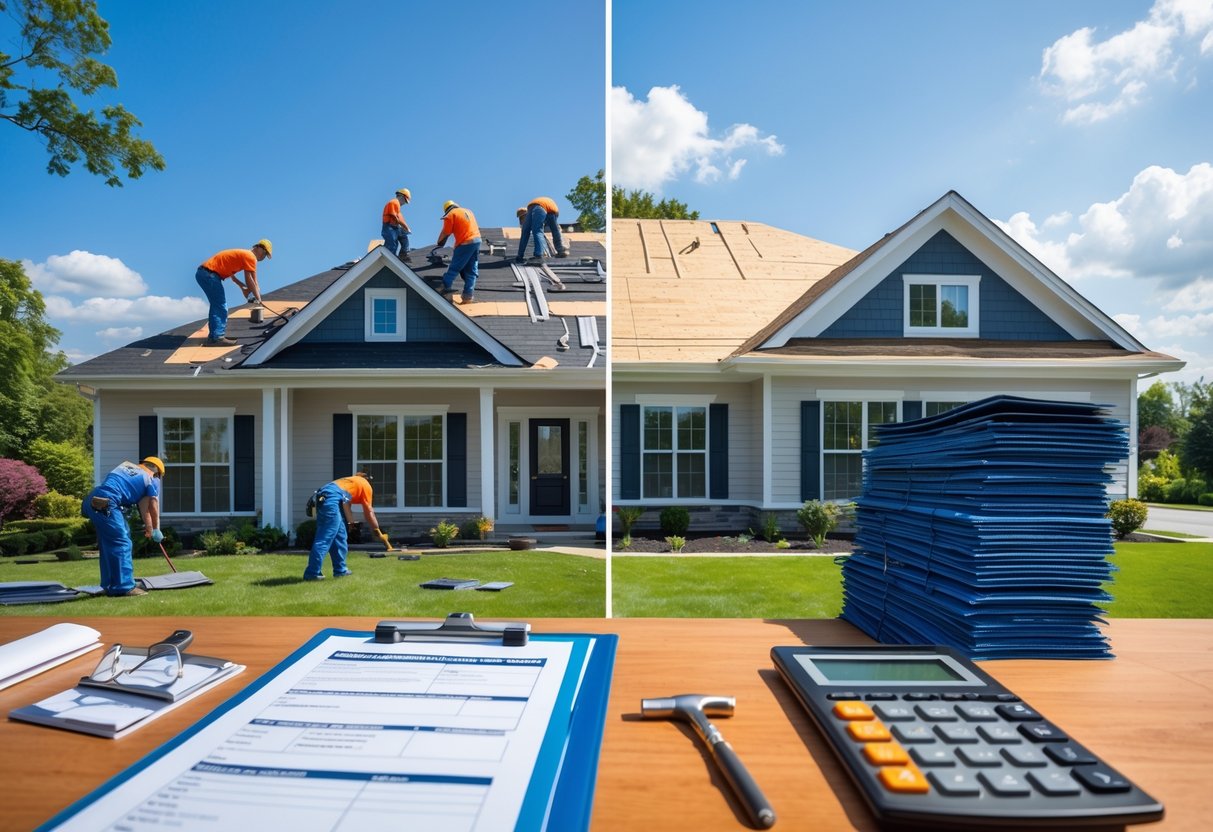
The decision becomes more complex when you consider long-term costs. A repair might seem cheaper upfront at $300 to $1,500, but multiple repairs over time can quickly add up to more than a full replacement. Meanwhile, a complete roof replacement costs $7,000 to $30,000 depending on materials, but it provides decades of protection and often comes with substantial warranties.
Understanding the true costs and benefits of each option helps homeowners make smart financial decisions. Factors like roofing materials, contractor selection, and your home’s specific needs all play important roles in determining the most cost-effective path forward.
Key Takeaways
- Repair roofs under 15 years old with minor damage, but replace older roofs with widespread problems or frequent issues
- Full replacement costs more upfront but often saves money long-term compared to repeated repairs on aging roofs
- Professional assessment is essential to identify hidden damage and determine the most cost-effective solution
Key Factors That Determine Roof Repair or Replacement
Several critical elements help homeowners decide between fixing their current roof or installing a new one. The roof’s age, damage severity, and leak patterns play the biggest roles in making this choice.
Age and Lifespan of the Roof
Most roofing materials have expected lifespans that guide replacement decisions. Asphalt shingles typically last 15-25 years, while metal roofs can last 40-70 years.
A roof approaching the end of its expected lifespan usually needs replacement rather than repair. Patching problems on an old roof often leads to more issues within months.
When to replace based on age:
- Asphalt shingles over 20 years old with multiple problems
- Wood shingles over 25-30 years old showing wear
- Clay tiles over 50 years old with frequent breaks
Newer roofs under 10 years old typically benefit more from targeted roof repair. These repairs cost less and can extend the roof’s life significantly.
The installation quality also affects lifespan. Poor installation can cut a roof’s life in half, making earlier replacement necessary.
Extent and Type of Roof Damage
The size and location of roof damage determines whether repair makes financial sense. Small, isolated problems usually cost less to fix than replace.
Minor damage suitable for repair:
- Missing or cracked shingles in small areas
- Damaged flashing around chimneys or vents
- Small punctures from fallen branches
Major damage requiring replacement:
- Storm damage covering over 30% of the roof
- Structural damage to roof decking
- Multiple areas with different types of problems
Widespread roof damage often signals deeper issues. Fixing one area may reveal problems elsewhere, making total replacement more cost-effective.
Hail damage presents unique challenges. Even minor-looking hail damage can shorten shingle life and void warranties.
Frequency and Severity of Roof Leaks
Multiple roof leaks or recurring leaks in the same spot indicate systemic problems. A single leak might need simple repair, but several leaks suggest replacement.
Repair makes sense for:
- One small roof leak with a clear source
- Leaks around penetrations like vents
- Recent leaks caught early before interior damage
Replacement becomes necessary when:
- Three or more separate roof leak locations exist
- Leaks return within six months of repair
- Water damage appears in multiple rooms
Roof leaks that cause interior damage add thousands to repair costs. Replacing a failing roof prevents expensive structural repairs later.
The age of previous leak repairs also matters. Roofs with multiple patched areas often develop new leaks nearby as materials continue aging.
Cost Comparison: Roof Repair vs. Full Roof Replacement
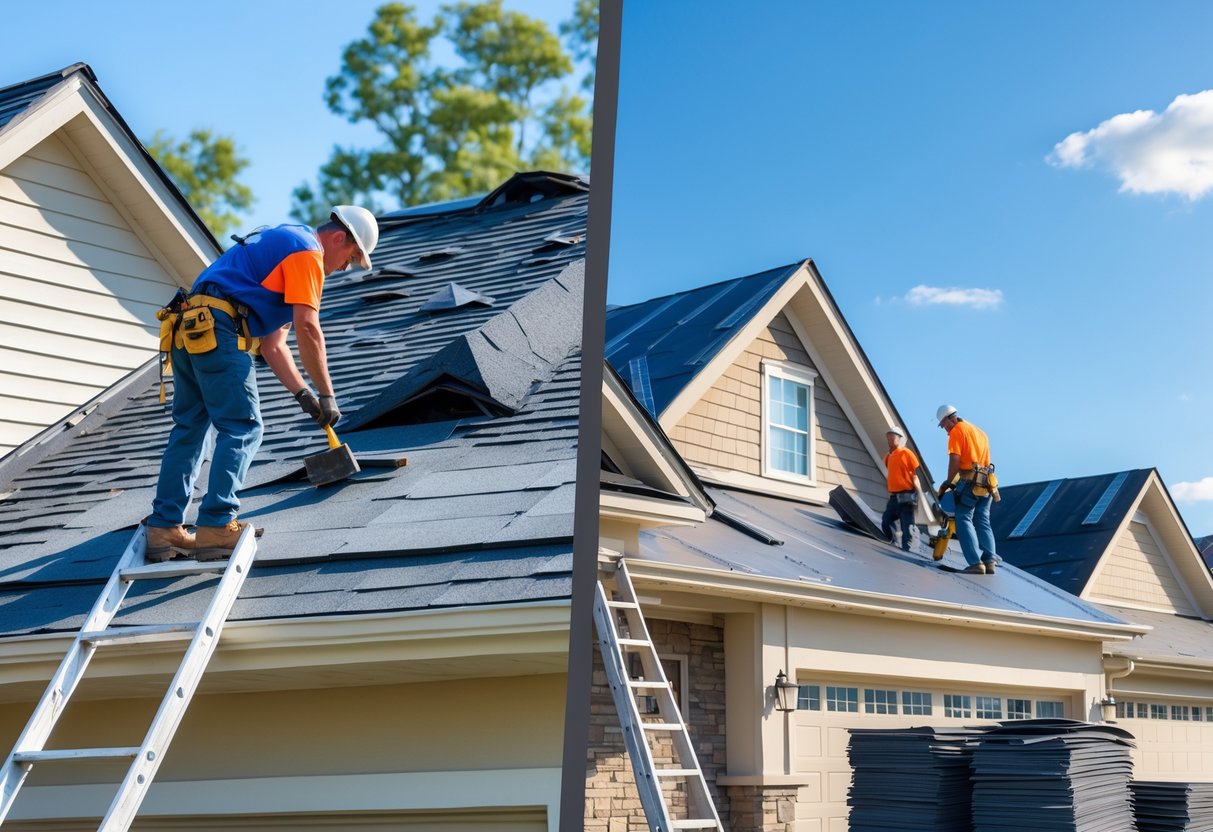
Roof repairs typically cost between $300-$1,500 while full roof replacement ranges from $7,000-$30,000 depending on size and materials. The 30% rule helps guide decisions: if more than 30% of the roof needs work, replacement becomes more cost-effective than multiple repairs.
Typical Roof Replacement Cost Breakdown
Full roof replacement costs vary significantly based on materials, home size, and labor requirements. Asphalt shingles represent the most affordable option at $7,000-$12,000 for an average home.
Metal roofing costs $10,000-$18,000 but lasts 40-70 years. Tile and slate materials range from $15,000-$30,000 yet provide 50+ years of protection.
Labor typically accounts for 60% of total costs. Material removal adds $1-$5 per square foot to the project. Roof complexity, pitch, and accessibility affect pricing.
Additional expenses include:
- Permits: $100-$500
- Disposal fees: $300-$700
- Structural repairs: $500-$3,000
- Ventilation upgrades: $300-$800
Homeowners should budget an extra 10-20% for unexpected issues discovered during tear-off. Insurance may cover storm-related replacements, reducing out-of-pocket expenses significantly.
Average Roof Repair Costs
Roof repairs address specific problems without full system replacement. Minor repairs like replacing a few shingles cost $200-$500. Moderate repairs for flashing or small leak fixes range from $500-$1,200.
Major repairs involving structural work or extensive damage cost $1,200-$3,000. Multiple repair areas can quickly approach replacement costs.
Common repair costs include:
- Shingle replacement: $100-$300 per section
- Flashing repair: $200-$500
- Leak fixes: $300-$1,000
- Gutter work: $150-$800
- Vent repairs: $200-$600
Emergency repairs during storms cost 15-25% more due to urgency. Temporary fixes like tarping cost $200-$1,000 but require permanent solutions within weeks.
Repair warranties typically last 1-5 years compared to 20-50 year replacement warranties.
Long-Term Value and Savings Considerations
Energy efficiency improvements from new roofing materials reduce heating and cooling costs by 15-30%. Modern materials provide better insulation and ventilation than older systems.
Home value increases by up to 70% of replacement costs according to industry studies. New roofs attract buyers and eliminate negotiation points during sales.
Maintenance costs decrease significantly with replacement. New roofs require minimal upkeep for 10-15 years versus ongoing repair needs on aging systems.
The break-even analysis favors replacement when:
- Roof exceeds 80% of expected lifespan
- Annual repairs exceed $1,500
- Multiple areas need attention simultaneously
Insurance premiums may decrease with impact-resistant materials. Some insurers offer 10-30% discounts for qualifying roof systems.
Homeowners planning to stay 10+ years benefit more from replacement investments. Those selling within 5 years often choose targeted repairs to address immediate concerns.
The Role of Roofing Materials in Cost and Longevity
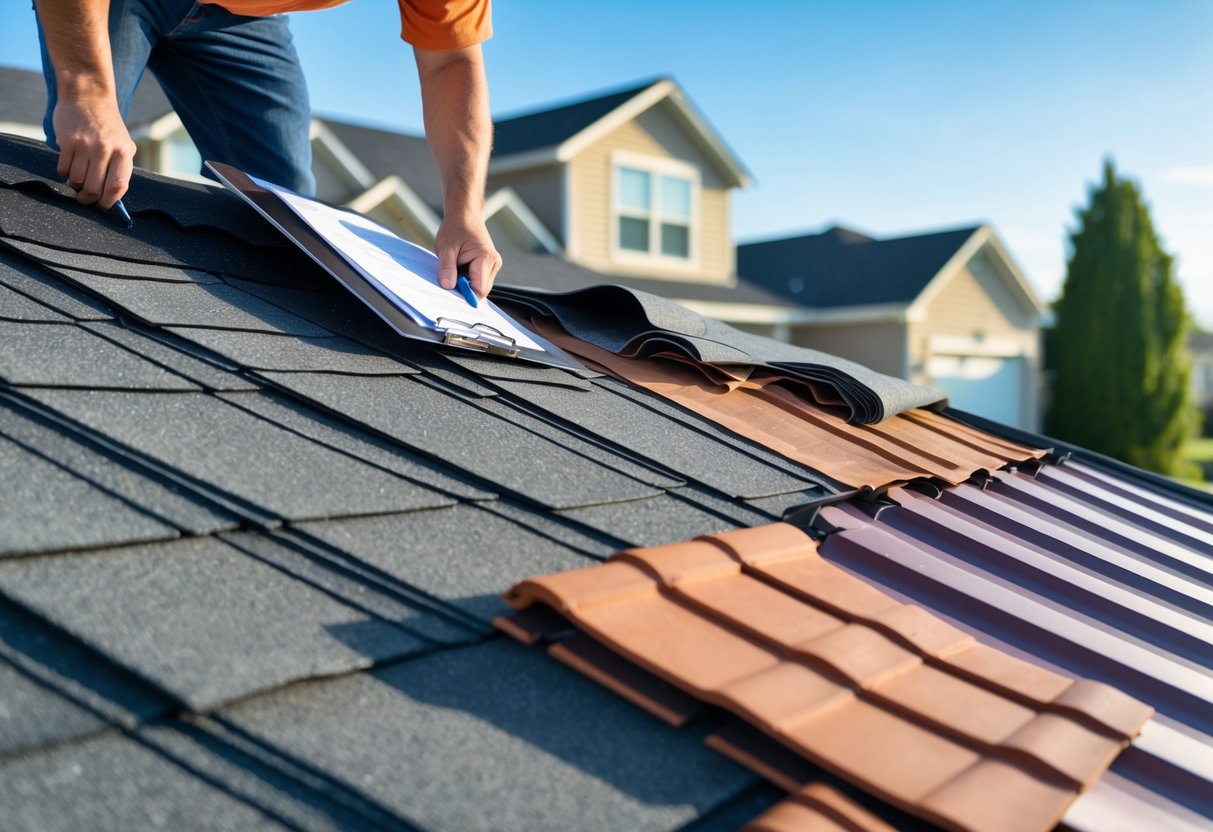
The material choice significantly impacts both repair versus replacement decisions and long-term costs. Different roofing materials have distinct lifespans, maintenance needs, and price points that affect whether repairs make financial sense or if replacement becomes the better option.
Asphalt Shingles: Pros, Cons, and Cost
Asphalt shingles remain the most popular roofing choice due to their low initial cost of $1.50 to $4.00 per square foot installed. They offer decent protection for most climates and come in many colors and styles.
Advantages:
- Low upfront investment
- Easy installation and repair
- Wide availability of contractors
- Reasonable 15-30 year lifespan
Disadvantages:
- Shorter lifespan than premium materials
- More frequent repairs needed
- Higher long-term replacement costs
- Less energy efficient than metal options
Homeowners often face repair decisions around the 15-year mark. Minor repairs like replacing damaged shingles cost $300-800. However, extensive damage may require full replacement, making the decision more complex.
The key factor is timing. Asphalt shingles approaching their expected lifespan often need replacement rather than costly repairs that only extend life by a few years.
Metal Roof and Metal Roofing Costs
Metal roofing costs $5.00 to $12.00 per square foot installed but offers 50+ year lifespans. This higher initial investment often makes repair the preferred option for most damage scenarios.
Cost Benefits:
- Longevity: Metal roofs last 2-3 times longer than asphalt
- Low maintenance: Minimal ongoing repair needs
- Energy efficiency: Reflects heat, reducing cooling costs
- Weather resistance: Handles extreme conditions better
Most metal roof repairs involve fixing fasteners, sealing seams, or replacing individual panels. These repairs typically cost $500-1,500 compared to $15,000-25,000 for full replacement.
The durability factor makes metal roofing repairs almost always cost-effective. Only severe structural damage or extensive corrosion justifies replacement before the 40-50 year mark.
Insurance companies often offer discounts for metal roofing due to its superior weather resistance and fire protection properties.
Granule Loss and Material Wear
Granule loss serves as a key indicator for repair versus replacement decisions on asphalt shingles. These small particles protect the underlying material from UV damage and weather exposure.
Early Signs:
- Granules in gutters after storms
- Bare spots on shingle surfaces
- Color fading or streaking
- Curling or cracking edges
Minor granule loss affects individual shingles and costs $200-500 to repair. Widespread granule loss indicates aging material that needs replacement within 2-5 years.
The 50% rule applies here. When granule loss affects more than half the roof surface, replacement becomes more cost-effective than extensive repairs.
Metal roofing experiences different wear patterns. Paint fading or small scratches rarely require immediate attention. Coating renewal every 15-20 years costs $2-4 per square foot versus full replacement.
Homeowners should inspect roofing materials annually to catch wear early when repairs remain affordable and effective.
When Repairing Makes Sense: Minor Issues and Isolated Damage
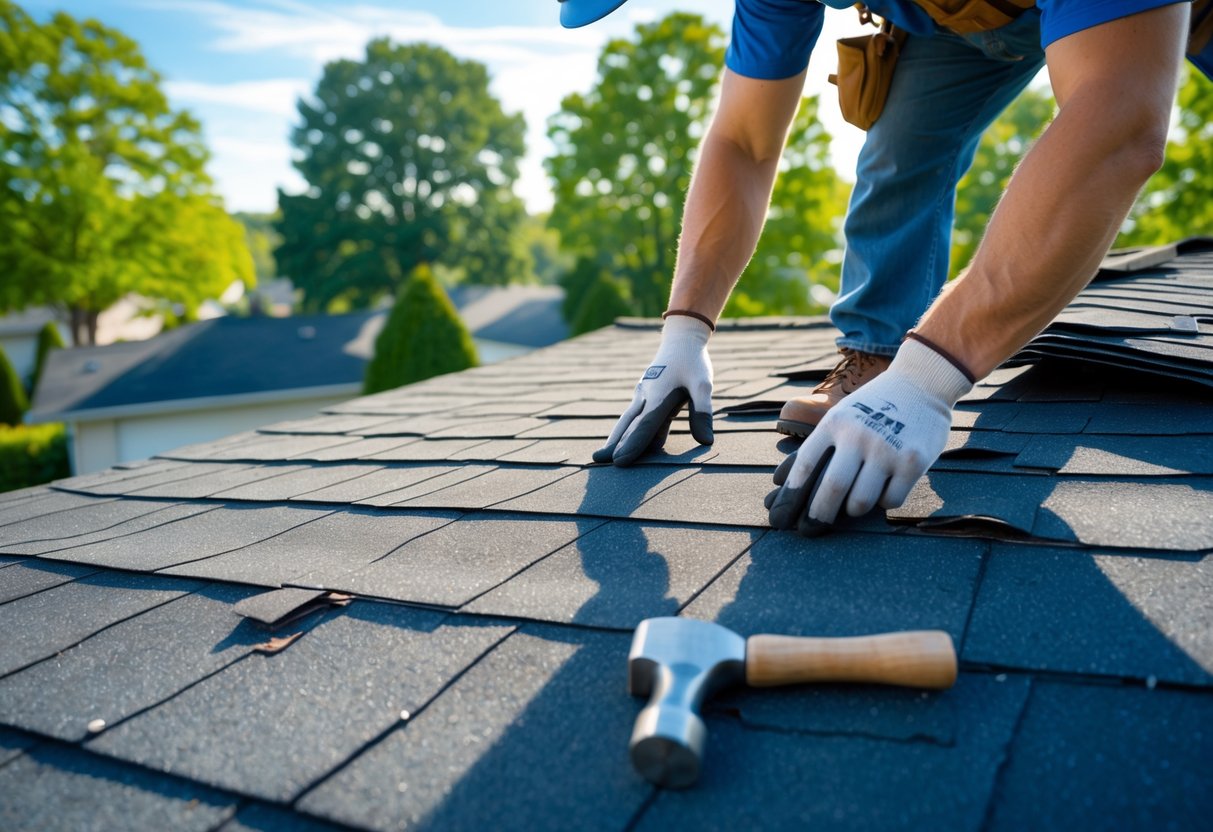
Roof repairs work best when damage stays in one small area and the roof is relatively new. Simple fixes like replacing a few shingles or patching small sections cost much less than full replacement.
Missing Shingles and Minor Patching
Missing shingles represent the most common and affordable roof repair option. When storms blow off just a few shingles, homeowners can replace them without major work.
This type of repair works best on roofs under 10-15 years old. The existing shingles still have good life left in them.
Patching small areas costs less than $500 in most cases. The work takes just a few hours to complete.
However, matching old shingles can be tricky. Weather changes the color of existing shingles over time. New shingles may look different even if they are the same brand and color.
Homeowners should save extra shingles from the original installation. This makes future repairs easier and helps colors match better.
Minor roof leaks often get fixed with simple patching. Small holes or worn spots around vents and chimneys respond well to targeted repairs.
Localized Roof Damage Solutions
Isolated damage from fallen tree branches or small hail storms often needs only section repairs. One damaged area does not mean the whole roof needs replacement.
Roof repairs make sense when damage covers less than 30% of the total roof area. Fixing these spots costs much less than full replacement.
Wind damage that affects just one side of the house may need partial roof work. This involves removing shingles from that section and installing new materials.
Storm damage like missing flashing or loose gutters can be repaired quickly. These fixes prevent water damage while keeping costs low.
Small roof leaks around chimneys or skylights usually need targeted repairs. Sealing these areas stops water problems without major construction work.
Choosing the Right Roofing Contractor and Company
Finding the right roofing professional affects both project quality and final costs. Proper research and comparison help homeowners avoid costly mistakes and ensure quality work.
How to Evaluate Roofing Contractors
Check Credentials and Insurance Licensed roofing contractors carry proper insurance and local permits. Homeowners should verify both liability insurance and workers’ compensation coverage before signing contracts.
Ask contractors to provide proof of licensing. This protects against potential legal issues and ensures work meets local building codes.
Research Experience and Reputation Experienced contractors handle unexpected problems better than newcomers. Look for contractors with at least five years in business and positive customer reviews.
Check online reviews on multiple platforms. Ask for recent customer references and contact them directly about work quality and timeline adherence.
Get Multiple Detailed Estimates Request written estimates from at least three contractors. Compare materials, labor costs, and project timelines side by side.
Avoid contractors who demand full payment upfront. Legitimate professionals typically request small deposits with remaining payments tied to project milestones.
Comparing Roofing Companies and Estimates
Analyze Cost Breakdowns Quality estimates separate material and labor costs clearly. Compare specific roofing materials, removal costs, and cleanup services between companies.
Materials Quality: Higher-grade materials cost more initially but last longer
Labor Rates: Experienced crews charge more but work faster and more efficiently
Timeline: Rushed jobs often result in poor workmanship
Evaluate Company Size and Resources Larger roofing companies often have better insurance coverage and equipment access. Smaller contractors may offer more personalized service and competitive pricing.
Consider company stability and local presence. Established companies provide better warranty support and accountability for future issues.
Match company size to project complexity. Simple repairs work well with smaller contractors while major replacements benefit from larger company resources.
Frequently Asked Questions
Several common questions arise when homeowners face roof issues. These concerns typically focus on decision-making factors, age considerations, cost comparisons, material impacts, labor expenses, and long-term financial outcomes.
What factors should be considered when deciding between roof repair and replacement?
The extent of damage plays a major role in this decision. Small problems like missing shingles or minor leaks can often be repaired. Widespread damage or structural issues usually require replacement.
The roof’s age is another key factor. Roofs under 10-15 years old are good candidates for repairs. Older roofs nearing their expected lifespan benefit more from replacement.
Frequency of repairs matters too. Homeowners who need multiple repairs in a short time should consider replacement. The costs of repeated fixes add up quickly.
Budget constraints affect the choice. Repairs cost less upfront but may not solve long-term problems. Replacements require more money initially but can prevent future issues.
Future plans for the home influence the decision. Homeowners staying long-term benefit from replacement investments. Those selling soon might choose basic repairs instead.
How does the age of a roof impact the decision to repair or replace?
Roof age directly affects material durability and repair success rates. Newer roofs respond better to repairs and maintain their structural integrity longer.
Asphalt shingles typically last 20-25 years. Metal roofing can last 40-70 years. Tile and synthetic materials often exceed 50 years of service life.
Roofs over 20 years old face declining performance. They become more prone to leaks, storm damage, and material breakdown. Repairs on aging roofs often serve as temporary fixes.
Older roofing materials may no longer be available for repairs. This creates color and texture matching problems. Replacement ensures a uniform appearance and updated materials.
Newer roofs under 10 years old usually justify repair costs. The remaining lifespan makes repairs a smart financial choice. Older roofs benefit more from complete replacement.
What are the cost differences between repairing sections of a roof and a full replacement?
Repairs typically cost between $300 to $1,500 for common issues. Minor problems like flashing repairs or small leaks fall on the lower end. More extensive repairs reach higher price ranges.
Full roof replacements cost significantly more upfront. Average homes might spend $8,000 to $20,000 or more. The exact cost depends on size, materials, and local labor rates.
Multiple repairs can exceed replacement costs over time. Homeowners might spend thousands on repeated fixes. This makes replacement more economical in many cases.
Emergency repairs often cost more than planned work. Storm damage and urgent fixes carry premium pricing. Planning replacement prevents these higher emergency costs.
Replacement includes warranties that repairs don’t offer. New roofs come with 20-50 year material warranties. This protection adds value to the higher upfront investment.
Can the type of roofing material used affect the cost-effectiveness of repairs versus replacement?
Material durability strongly influences repair success rates. High-quality materials like metal, slate, and clay tiles repair well. These materials can last decades with proper maintenance.
Asphalt shingles have shorter lifespans and repair limitations. Brittle or curling shingles don’t repair effectively. Granule loss indicates material breakdown that requires replacement.
Premium materials cost more to repair but last longer. Metal roofing repairs might cost more per square foot. However, the extended lifespan makes repairs more cost-effective.
Material availability affects repair feasibility. Discontinued products create matching problems. Homeowners might need partial or full replacement to maintain appearance.
Upgrade opportunities favor replacement over repairs. Homeowners can switch to better materials during replacement. This improves durability, energy efficiency, and home value.
How do labor costs compare for roof repairs versus full roof replacement projects?
Repair labor costs less overall but may cost more per hour. Contractors often charge minimum service fees for small jobs. This makes minor repairs relatively expensive per square foot.
Replacement projects benefit from economy of scale. Contractors can work more efficiently on larger jobs. The per-square-foot labor cost decreases with bigger projects.
Specialty repairs require experienced professionals. Complex problems need skilled contractors who charge premium rates. Simple replacements might use less specialized labor.
Multiple repair visits increase total labor costs. Each service call includes travel time and setup. Replacement completes all work in one project period.
Seasonal demand affects both repair and replacement pricing. Storm seasons and peak periods increase labor rates. Planning ahead helps avoid premium pricing periods.
What are the long-term financial implications of repairing a roof now versus replacing it entirely?
Repairs provide short-term cost relief but limited long-term value. Fixed problems may return within a few years. This creates ongoing expense cycles that add up over time.
Replacement offers decades of protection without major costs. New roofs typically need minimal maintenance for 15-20 years. This predictability helps with long-term budgeting.
Energy efficiency improvements come with replacement. New materials and installation methods reduce heating and cooling costs. These savings accumulate over many years.
Home value increases more with replacement than repairs. New roofs add significant resale value to properties. Repairs maintain value but don’t increase it substantially.
Insurance benefits favor newer roofs over repaired ones. Some insurers offer discounts for new roof installations. Older roofs might face coverage limitations or higher premiums.
Property maintenance costs decrease after replacement. New roofs need fewer emergency repairs and service calls. This reduces unexpected expenses and maintenance stress.