
Choosing between standing seam and corrugated metal roofing can feel overwhelming when you’re trying to balance style, budget, and performance. Both options offer excellent durability and weather protection, but they create completely different looks and come with distinct price points that can significantly impact your decision.
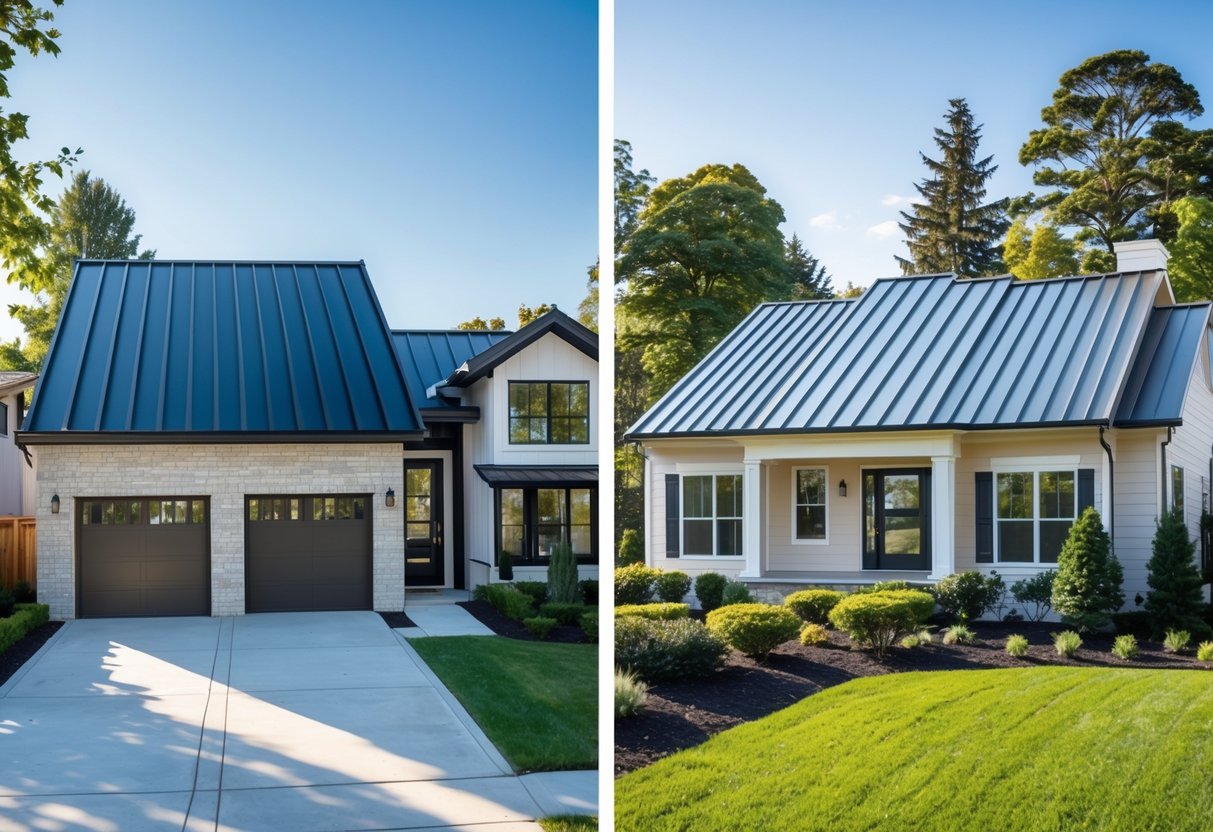
Standing seam roofs work best for modern and contemporary homes due to their clean lines and hidden fasteners, while corrugated metal suits traditional, rustic, and industrial-style homes with its distinctive wavy pattern and agricultural heritage. The visual difference between these two systems goes far beyond appearance – it affects everything from installation complexity to long-term maintenance requirements.
Understanding how each metal roofing system aligns with different architectural styles helps homeowners make confident decisions that enhance both curb appeal and property value. The choice ultimately depends on matching your home’s character with the right combination of aesthetics, budget, and performance expectations.
Key Takeaways
- Standing seam roofs feature hidden fasteners and vertical panels that complement modern home styles, while corrugated metal has exposed screws and wavy patterns suited for traditional designs
- Standing seam costs significantly more upfront but offers superior weather protection and longer lifespan, while corrugated provides metal roofing benefits at a budget-friendly price
- The right choice depends on your home’s architectural style, budget constraints, and whether you prioritize immediate savings or long-term value
Standing Seam vs Corrugated: Key Metal Roof Differences
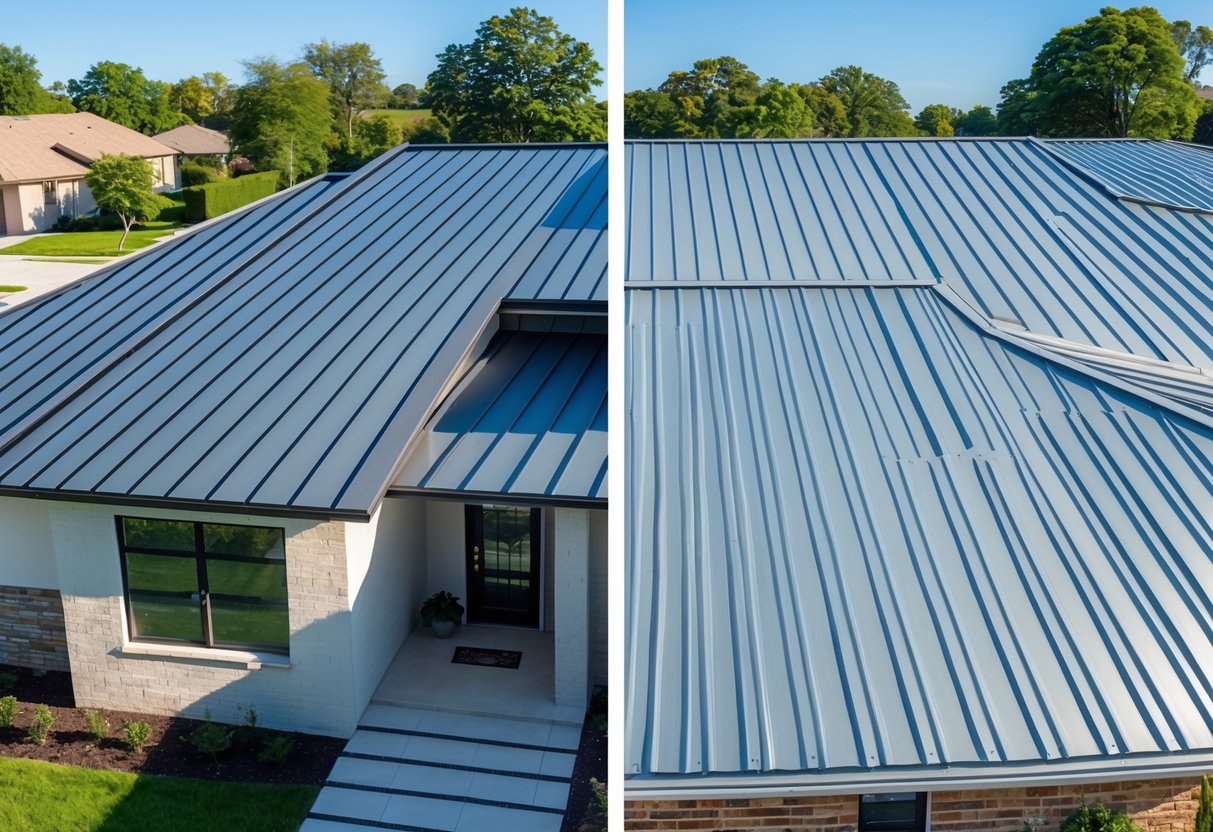
Standing seam and corrugated metal roofing systems differ significantly in their visual impact, installation methods, and ability to protect against harsh weather conditions. These differences directly affect both the immediate appearance of a home and long-term performance expectations.
Appearance and Architectural Style Impact
Standing seam metal roofing creates a sleek, modern appearance with flat panels and clean vertical lines. The panels typically measure 12 to 18 inches wide and run continuously from ridge to eave without visible interruptions.
This smooth design works well with contemporary, modern, and upscale traditional homes. The clean lines complement architectural styles that emphasize simplicity and sophistication.
Corrugated metal roofing features a distinctive wavy, ribbed pattern that creates texture and visual interest. The U-shaped or R-panel design gives buildings a more industrial or rustic character.
This textured appearance suits farmhouses, barns, industrial buildings, and homes with country or rustic design themes. Many homeowners choose corrugated panels specifically for this traditional agricultural look.
Visual Impact Comparison:
- Standing seam: Flat, uninterrupted surface with vertical seams
- Corrugated: Wavy ridges and valleys create shadow lines
- Panel width: Standing seam panels are wider, corrugated panels show more seam lines
Fastening Systems: Hidden vs Exposed
Standing seam systems use hidden fasteners that attach beneath the interlocking seams. Screws remain completely concealed, creating an unbroken surface appearance.
Hidden fasteners reduce the number of roof penetrations significantly. This design choice eliminates hundreds of potential leak points that exist with exposed fastening systems.
Corrugated metal roofing relies on exposed fasteners that pierce through the panel surface. These screws include rubber washers and are visible across the entire roof area.
Exposed fasteners make installation faster and more straightforward. However, each fastener creates a potential entry point for water if the washer fails or the screw loosens over time.
Fastener Comparison:
- Hidden: No visible screws, fewer penetrations, professional installation required
- Exposed: Visible fasteners, more penetrations, easier DIY installation possible
Weather Resistance and Performance
Standing seam metal roofing excels in severe weather conditions due to its interlocking seam design. The raised seams create a watertight barrier that prevents wind-driven rain from entering.
The hidden fastener system eliminates thermal movement stress on individual screws. Panels can expand and contract freely without loosening fasteners or creating gaps.
Standing seam roofs typically last 40 to 70 years with minimal maintenance requirements. The superior weather sealing reduces the need for regular inspections and repairs.
Corrugated metal roofing provides good weather protection but requires more maintenance attention. The exposed fasteners can work loose due to temperature changes and wind stress.
Each exposed fastener depends on its rubber washer to prevent leaks. These washers can deteriorate from UV exposure and temperature cycling, requiring periodic replacement.
Corrugated roofs generally last 25 to 45 years and need regular fastener checks to maintain weather resistance.
Pros and Cons of Standing Seam Metal Roofing
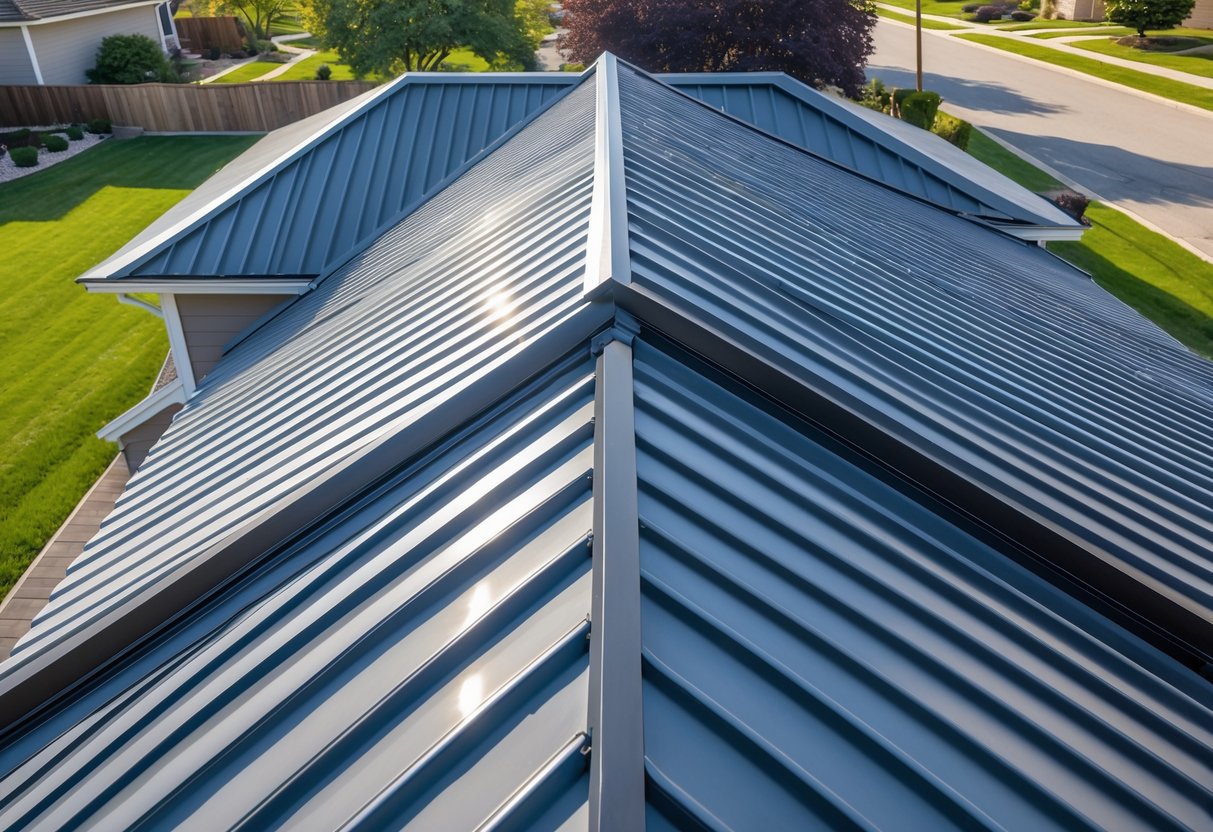
Standing seam metal roofs offer exceptional durability with lifespans reaching 40-70 years, require minimal maintenance due to hidden fasteners, and provide excellent energy efficiency through reflective coatings. However, these benefits come with higher upfront costs and complex installation requirements.
Durability and Longevity
Standing seam metal roofs deliver superior longevity compared to traditional roofing materials. These systems typically last 40 to 70 years depending on the metal type and environmental conditions.
The concealed fastener design protects against weather damage and thermal expansion. Hidden clips allow panels to move naturally without stress on attachment points.
Material Options and Lifespans:
- Galvalume steel: 40-50 years
- Aluminum: 50-60 years
- Copper: 60-70+ years
- Zinc: 60-70+ years
Standing seam roofs resist hail damage better than corrugated panels due to thicker gauge materials. The interlocking seam design creates a stronger overall roof structure.
Wind uplift resistance exceeds most building codes when properly installed. The panels can withstand hurricane-force winds without failure.
Maintenance Requirements
Standing seam metal roofing requires minimal maintenance throughout its lifespan. The hidden fastener system eliminates the need for periodic screw tightening that corrugated roofs require.
Property owners should inspect seams and flashings every 2-3 years. This basic maintenance prevents minor issues from becoming major problems.
Key Maintenance Tasks:
- Clear debris from gutters and roof valleys
- Check sealants around penetrations
- Inspect flashing at roof edges
- Remove snow buildup in extreme climates
The smooth surface sheds leaves and debris naturally. Ice dams rarely form due to the metal’s thermal properties and proper ventilation design.
Professional repairs are straightforward when damage occurs. Individual panels can be replaced without disturbing adjacent sections.
Energy Efficiency and Solar Compatibility
Standing seam metal roofs reflect solar radiation effectively, reducing cooling costs by 10-25% in hot climates. Light-colored finishes with reflective coatings provide the best energy performance.
The roof structure integrates well with insulation systems. Continuous insulation can be installed beneath panels for superior thermal performance.
Solar Panel Benefits:
- Rails attach directly to seams without roof penetrations
- No warranty voiding from mounting systems
- Clean aesthetic integration
- Easy future panel removal or additions
PVDF coatings maintain reflectivity longer than standard paint finishes. These premium coatings resist fading and chalking for 20+ years.
Standing seam roofs qualify for Energy Star tax credits when they meet reflectance standards. The investment often pays for itself through energy savings over the roof’s lifetime.
Pros and Cons of Corrugated Metal Roofing
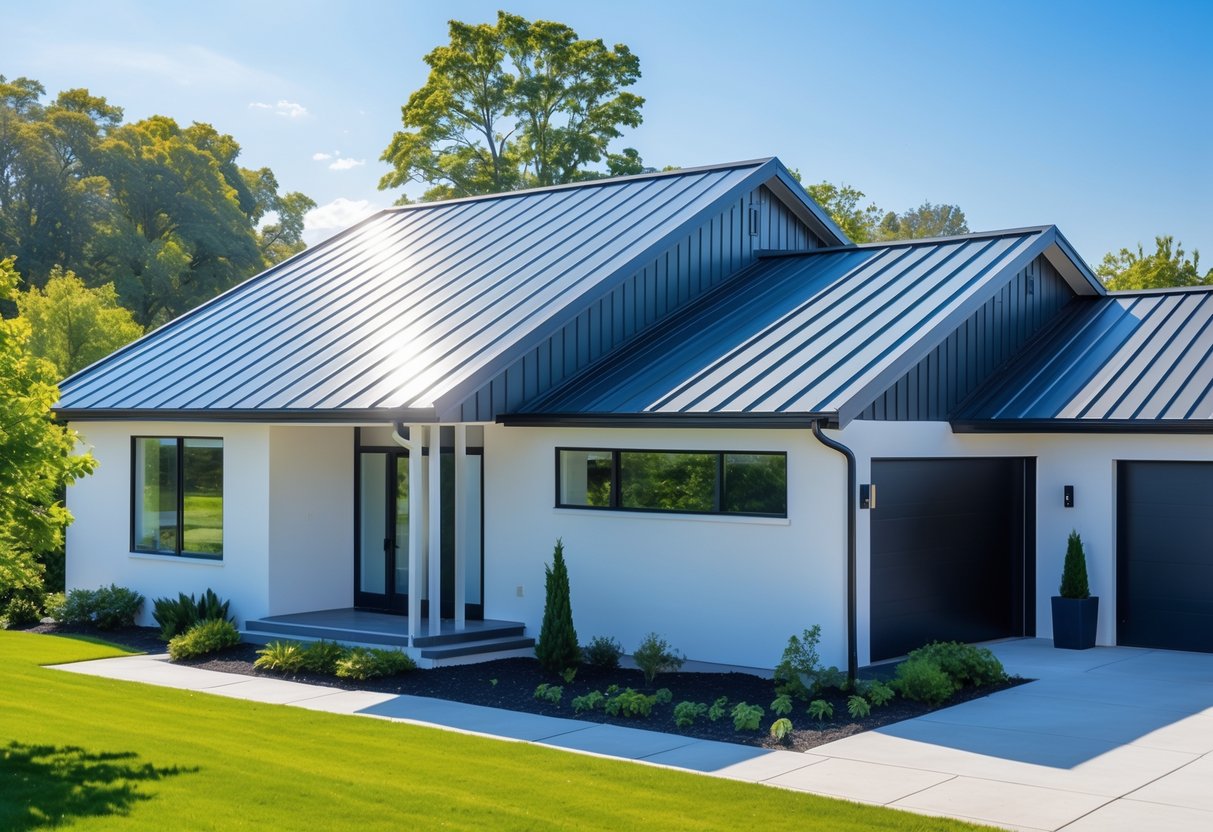
Corrugated metal roofing offers excellent value for budget-conscious homeowners but comes with trade-offs in durability and maintenance. The wave-like design provides strength while keeping costs low, though exposed fasteners create unique challenges.
Affordability and Installation Ease
Corrugated metal roof systems rank among the most economical roofing options available. Material costs typically run 50-70% less than standing seam systems.
The installation process requires basic tools and skills. Most general contractors can handle the job without specialized training. This reduces labor costs significantly.
Installation Benefits:
- Simple overlap and screw-down method
- Fewer specialized tools needed
- Faster installation time
- DIY-friendly for experienced homeowners
The lightweight panels put less stress on roof structures. This can eliminate the need for additional structural support in many cases.
Corrugated panels come in standard sizes that fit common roof dimensions. This reduces waste and keeps material costs down even further.
Design Versatility and Aesthetic Appeal
Corrugated metal roofing works well with multiple architectural styles. The ribbed texture adds visual interest and creates attractive shadow lines.
Popular Style Matches:
- Farmhouse and rustic designs
- Industrial and modern buildings
- Agricultural and warehouse structures
- Coastal and beach homes
Color options include earth tones, bright colors, and metallic finishes. Many manufacturers offer 20-30 different color choices.
The wavy profile hides minor roof imperfections better than flat panels. This makes it forgiving for older homes with less-than-perfect roof decks.
Corrugated panels can complement other building materials like wood siding or brick. The texture provides contrast without overwhelming the overall design.
Maintenance Challenges
Exposed fasteners create the biggest maintenance concern with corrugated metal roofing. These screws can work loose over time due to thermal expansion and contraction.
Common Maintenance Issues:
- Fastener replacement every 10-15 years
- Sealant touch-ups around penetrations
- Panel overlap inspection
- Debris removal from ribs
The thinner metal gauge used in corrugated panels makes them more prone to denting. Hail or falling branches can create permanent damage.
Snow and ice can build up in the valleys between ribs. This adds weight and can cause problems in heavy snow regions.
Cleaning requires more effort due to the ribbed surface. Dirt and leaves tend to collect in the low points of the corrugated pattern.
Cost Considerations and Return on Investment
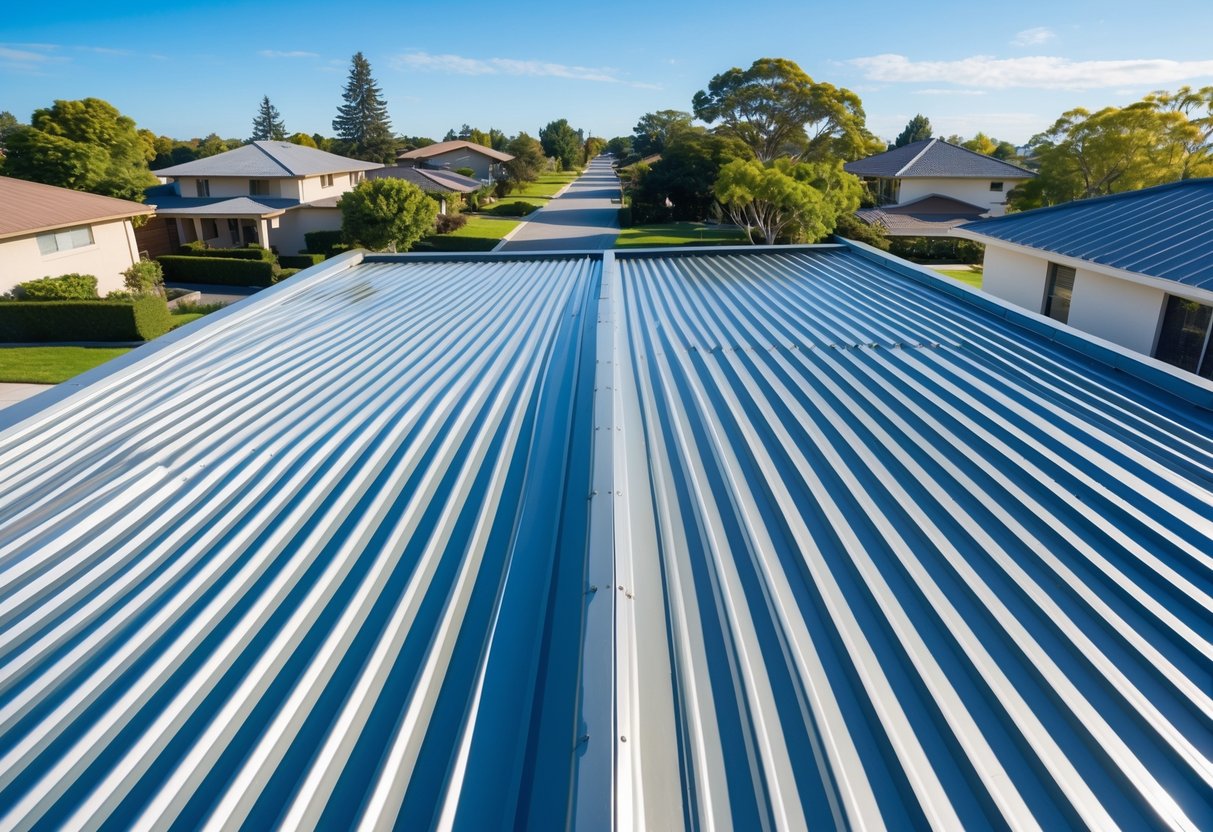
Standing seam metal roofs cost significantly more upfront than corrugated options, but they offer better long-term value through extended lifespans and reduced maintenance needs. The price difference can affect your budget today, while the durability difference impacts your wallet over decades.
Pricing Differences and Upfront Costs
Standing seam metal roofs typically cost between $8 and $14 per square foot installed. This higher price reflects the premium materials and specialized installation required.
Corrugated metal roofs cost much less at $4 to $8 per square foot installed. The simpler design and easier installation keep costs down.
For a typical 2,000 square foot home, the cost difference is substantial:
| Roof Type | Cost Range | Total Project Cost |
|---|---|---|
| Standing seam | $8-14/sq ft | $16,000-$28,000 |
| Corrugated | $4-8/sq ft | $8,000-$16,000 |
The metal roofing material itself accounts for about 40% of total costs. Installation labor makes up the remaining 60%.
Standing seam requires skilled contractors with special tools. This drives up labor costs compared to corrugated installation.
Long-Term Value and Lifespan
Standing seam metal roofs last 40 to 70 years with minimal maintenance. The hidden fasteners prevent water leaks and reduce repair needs.
Corrugated metal roofing lasts 30 to 50 years but requires more upkeep. Exposed fasteners can loosen over time and may need replacement every 10-15 years.
Maintenance costs favor standing seam systems. Homeowners typically spend $200-400 annually on corrugated roof maintenance versus $100-200 for standing seam.
Both roof types boost home resale value, but standing seam adds more. Real estate experts estimate standing seam recovers 85-95% of installation costs at sale, while corrugated recovers 70-80%.
Energy savings also differ. Standing seam’s better insulation and reflective coatings can reduce cooling costs by 10-25% compared to traditional roofing.
Choosing the Right Metal Roof for Your Home Style
The decision between standing seam and corrugated metal roofing depends on your home’s architectural style, local climate conditions, and finding an experienced contractor who specializes in metal roofing systems.
Matching Roof Profiles to Home Architecture
Standing seam metal roofs work best with modern and contemporary home designs. The flat panels with raised vertical seams create clean lines that complement sleek architectural styles.
Contemporary homes, minimalist designs, and commercial buildings benefit from standing seam’s smooth appearance. The hidden fasteners maintain the roof’s streamlined look without visible hardware.
Corrugated metal roofs suit rustic and industrial home styles. The wavy ridges and exposed fasteners create texture and visual interest that matches farmhouse aesthetics.
Popular home styles for corrugated roofing:
- Farmhouse and barn-style homes
- Industrial loft conversions
- Coastal cottages
- Ranch homes
- Shed and outbuilding designs
Traditional homes can use either style depending on the specific design goals. Standing seam offers a more refined appearance while corrugated provides character and texture.
The roof pitch also affects the choice. Standing seam works well on steep slopes and accentuates the home’s vertical lines. Corrugated performs adequately on moderate slopes but may look better on simpler roof shapes.
Climate and Regional Suitability
Standing seam metal roofs perform better in harsh weather conditions. The hidden fasteners and interlocking seams provide superior protection against wind uplift and water penetration.
Climate advantages of standing seam:
- High wind resistance in coastal areas
- Better snow load handling in mountain regions
- Reduced leak risk in heavy rain zones
- Superior thermal movement accommodation
Corrugated metal works well in moderate climates with proper installation. The exposed fasteners require more maintenance in areas with extreme temperature swings or severe weather.
Heavy snow regions benefit from standing seam’s smooth surface that sheds snow effectively. The vertical seams help prevent ice dam formation better than corrugated profiles.
Coastal areas with salt air need careful material selection for both roof types. Aluminum or galvalume substrates with quality coatings resist corrosion better than basic galvanized steel.
Wind zones require attention to fastening patterns and panel thickness. Standing seam typically meets higher wind load requirements with fewer modifications than corrugated systems.
Selecting a Qualified Roofing Contractor
Standing seam installation requires specialized knowledge and equipment. Not all roofing contractors have experience with the precise seaming techniques needed for proper performance.
Essential contractor qualifications:
- Specific experience with chosen metal roofing systems
- Manufacturer training certifications
- Proper tools for metal roof installation
- References from similar projects
- Current licensing and insurance
Corrugated metal installation is simpler but still needs proper technique. General roofers can often handle corrugated projects, but metal roofing experience improves results.
Ask contractors for detailed installation plans including fastener types, underlayment specifications, and flashing details. Quality contractors provide written maintenance recommendations.
Verify the contractor’s experience with your specific roof complexity. Simple shed roofs differ greatly from complex residential designs with multiple valleys and penetrations.
Request multiple quotes that specify materials, labor, and warranty coverage. Compare not just price but also material quality and installation methods between different contractors.
Frequently Asked Questions
Standing seam roofs cost 50% more upfront but last 40-70 years with minimal maintenance. Corrugated systems offer budget-friendly installation at half the price but require regular fastener inspections every 5-10 years.
What are the primary differences between standing seam and corrugated metal roofing in terms of durability?
Standing seam roofs use concealed fasteners that eliminate leak points. The interlocking panels create a weather-tight seal that withstands Category 4 hurricane winds.
Corrugated roofs rely on exposed fasteners that penetrate the metal surface. These thousands of fastener holes create potential entry points for water and require regular inspection.
Standing seam panels typically measure 22 to 24-gage thickness. This thicker material provides enhanced protection against hail damage and earns the highest Class 4 impact rating.
Both systems achieve Class A fire ratings under industry standards. However, standing seam roofs accommodate thermal expansion through floating clip mounts while corrugated panels may experience stress at fastener points.
How do the costs of standing seam metal roofs compare to those of corrugated metal roofs?
Standing seam roofs cost $10 to $16 per square foot for standard installations. Premium materials can reach $30 per square foot with labor representing 60-70% of total project costs.
Corrugated roofs range from $7 to $12 per square foot installed. The simpler installation process reduces labor costs by approximately 50% compared to standing seam systems.
Insurance companies offer 10% to 35% premium discounts for metal roofs. Both systems become 50% cheaper than traditional options after 15 years when factoring in replacement costs.
Standing seam roofs require minimal maintenance expenses over their 40-70 year lifespan. Corrugated systems need periodic fastener replacement and more frequent inspections that increase long-term costs.
Can standing seam or corrugated roofs be better suited for certain climate conditions?
Standing seam roofs excel in coastal areas due to aluminum panels that resist salt corrosion. The concealed fastener design prevents water infiltration in heavy rainfall regions.
Areas with severe storms benefit from standing seam’s superior wind resistance. The interlocking design maintains structural integrity under extreme weather conditions.
Both systems reflect heat effectively in hot climates. Standing seam installations create additional airspace that improves energy efficiency by up to 48.7%.
Regions with substantial snow loads favor standing seam roofs. The raised seams enhance snow shedding while the continuous panels distribute weight evenly across the roof structure.
What are the aesthetic and design implications when choosing between standing seam and corrugated metal roofs for a house?
Standing seam roofs provide sleek, modern lines with vertical panels. The clean appearance complements contemporary and minimalist architectural styles.
Corrugated roofs feature distinctive wavy patterns with alternating ridges and grooves. This traditional look suits rustic, farmhouse, and industrial building designs.
Standing seam systems offer multiple panel profiles and seam heights for customization. Homeowners can select from aluminum, steel, or copper materials in various colors.
The concealed fastener design of standing seam roofs creates uninterrupted surface lines. Corrugated panels show visible fastener patterns that some homeowners prefer for their industrial aesthetic.
How does the installation process differ between standing seam and corrugated metal roofing?
Standing seam installation requires specialized skills and precise measurement. Contractors must install clips, snap panels into interlocking seams, and ensure proper thermal movement accommodation.
The process involves installing underlayment, placing lock strips, cutting panels at rib bottoms, and securing clips with gimlet screws. Each step demands professional expertise in multiple construction disciplines.
Corrugated installation follows a more straightforward approach. Contractors secure panels directly to the roof deck using exposed fasteners after measuring and cutting to size.
Standing seam projects typically take longer due to the complex interlocking system. Labor costs reflect this time difference with standing seam requiring about 50% more installation hours.
What is the expected maintenance and lifespan of standing seam versus corrugated metal roofs?
Standing seam roofs last 40-70 years with annual inspections as the primary maintenance requirement. The concealed fastener design eliminates most potential failure points.
Corrugated roofs typically last 25-50 years depending on fastener quality and maintenance frequency. Exposed fasteners need inspection and potential replacement every 5-10 years.
Both systems require debris removal and basic cleaning. However, corrugated roofs need additional attention to fastener integrity and rust prevention at penetration points.
Standing seam systems accommodate natural metal expansion without stress. This thermal movement capability reduces maintenance needs compared to corrugated panels that may develop issues at fixed fastener locations.