
Installing a new roof in Los Angeles comes with specific energy efficiency requirements that every homeowner must follow. California’s Title 24 Building Energy Efficiency Standards require cool roofing materials that reflect sunlight and reduce heat absorption, helping lower energy costs while meeting local building codes.
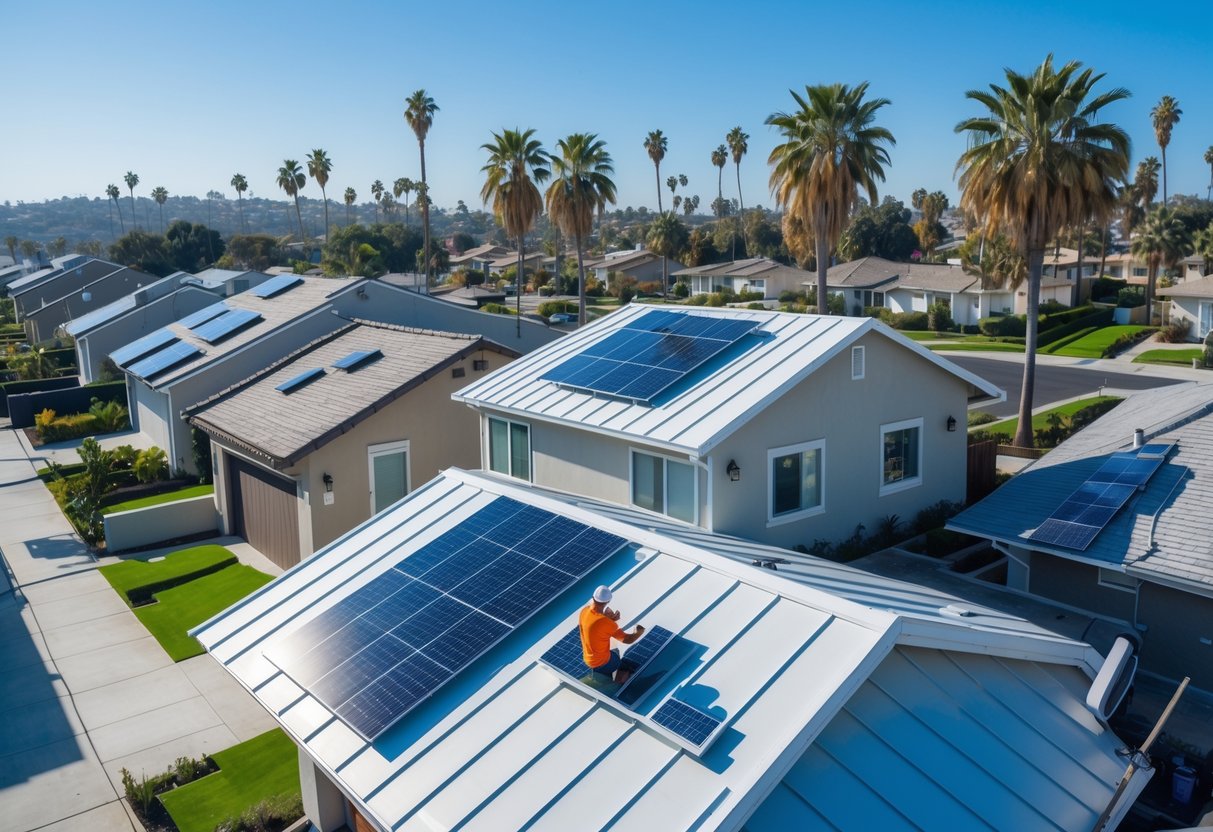
Los Angeles homeowners must use roofing materials with a minimum solar reflectance of 0.20 and thermal emittance of 0.75 for steep-sloped roofs, or higher reflectance values of 0.55 for low-sloped roofs. These requirements apply to new construction and roof replacements, making compliance essential for obtaining proper permits and passing inspections.
Understanding these requirements before starting a roofing project can save homeowners time, money, and potential delays. The right materials and proper documentation ensure smooth permit approval while delivering long-term energy savings that can reduce cooling costs by up to 20 percent during Los Angeles’s hot months.
Key Takeaways
- Title 24 requires specific reflectance values for all new roofs and replacements in Los Angeles
- Proper documentation and certified materials are essential for permit approval and inspections
- Cool roofs can reduce cooling energy costs by up to 20 percent while meeting code requirements
Understanding Title 24 Cool-Roof Requirements in Los Angeles
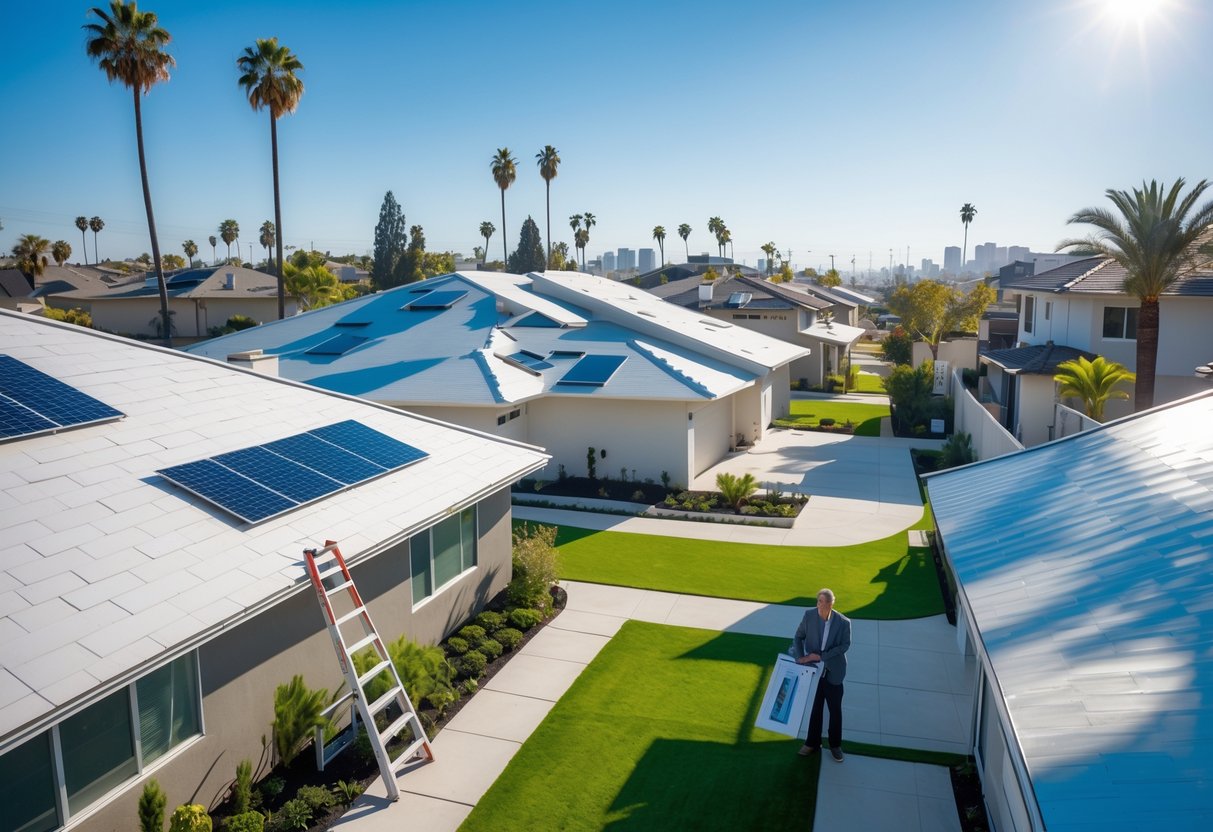
Los Angeles homeowners must comply with California’s Title 24 cool-roof standards, which require roofs to meet specific reflectance values of at least 0.20 solar reflectance and 0.75 thermal emittance for steep-sloped residential properties. These requirements apply to new construction and roof replacement projects to improve energy efficiency and reduce cooling costs.
What Is a Cool Roof?
A cool roof reflects more sunlight and absorbs less heat than traditional roofing materials. These roofs use special materials or coatings that have high solar reflectance and thermal emittance properties.
Solar reflectance measures how well a roof bounces sunlight away from the building. Thermal emittance shows how effectively the roof releases any heat it does absorb back into the atmosphere.
Cool roofs can reduce rooftop temperatures by up to 50°F compared to standard roofs. This temperature reduction leads to lower indoor temperatures and decreased air conditioning usage.
Common cool roof materials include:
- Reflective asphalt shingles with special granules
- Metal roofing with reflective coatings
- Light-colored tiles and membranes
- Reflective roof coatings applied over existing materials
The technology works by reflecting infrared radiation that would otherwise heat the building. This process reduces the heat island effect in urban areas like Los Angeles.
Title 24 Energy Standards Overview
California’s Title 24, Part 6 Building Energy Efficiency Standards establish mandatory cool roof requirements for the state. These standards aim to reduce energy consumption and greenhouse gas emissions from buildings.
For steep-sloped roofs in Los Angeles, materials must achieve:
- Minimum solar reflectance of 0.20
- Minimum thermal emittance of 0.75
- Alternative Solar Reflectance Index (SRI) of 20 or higher
The standards apply to both new construction and roof replacement projects. Property owners must provide documentation proving their materials meet these requirements during the permitting process.
Title 24 requirements can reduce cooling energy usage by up to 20% in residential buildings. These savings translate to lower utility bills and improved indoor comfort during hot weather.
The California Energy Commission updates these standards every three years. The current requirements became effective in 2022 and will remain in place until the next update cycle.
Applicability for Residential Properties
Title 24 cool roof requirements apply to residential properties undergoing new construction or complete roof replacement in Los Angeles. The standards cover single-family homes, townhouses, and multi-family residential buildings.
Homeowners must comply with these requirements when:
- Installing a new roof on new construction
- Replacing more than 50% of existing roofing materials
- Making alterations that require building permits
Minor roof repairs typically do not trigger Title 24 requirements. However, extensive renovations or additions may require compliance depending on the scope of work.
Property owners must obtain proper building permits before starting roof replacement projects. The permit application must include documentation showing the selected materials meet cool roof standards.
Contractors must provide proof of compliance during inspections. This includes manufacturer certifications and test results showing the materials achieve required reflectance values.
Failure to comply with Title 24 requirements can result in permit delays and additional costs. Homeowners should verify their contractor understands these standards before beginning any roof replacement project.
Compliance Steps for Homeowners
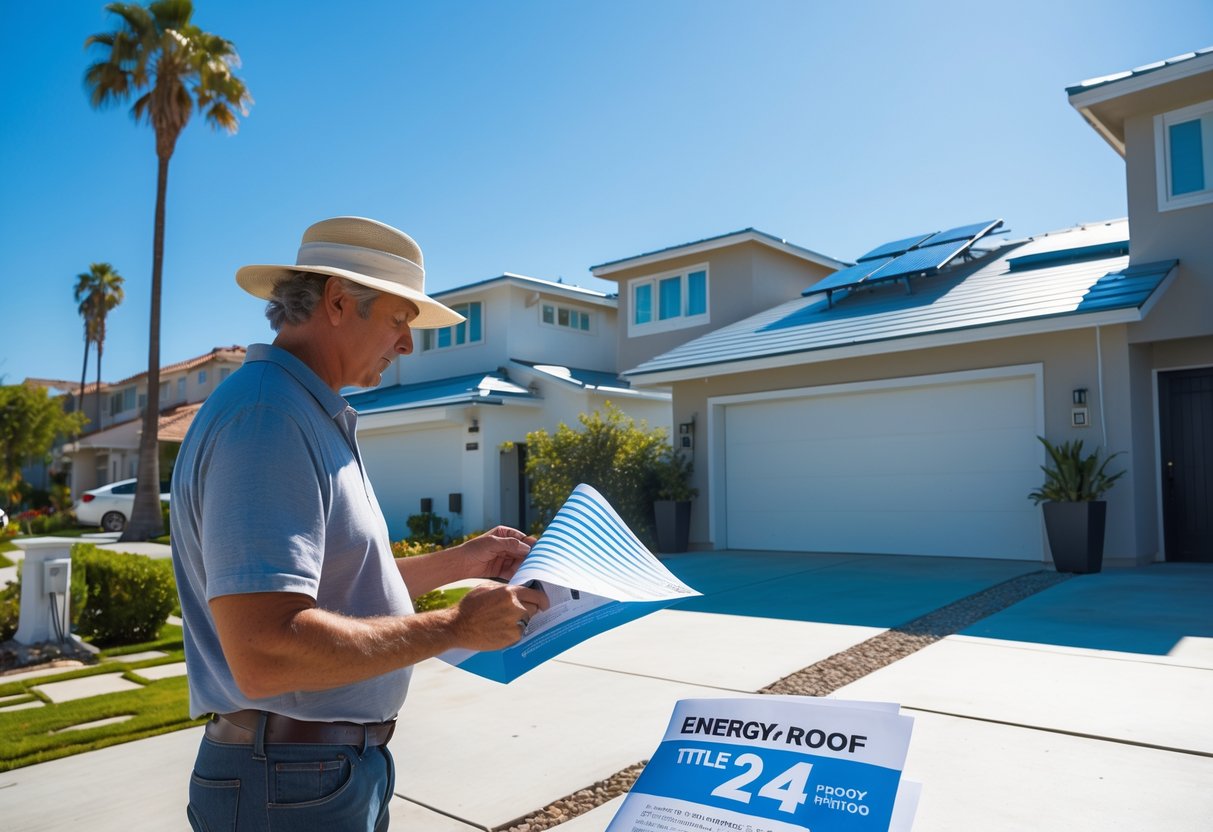
Los Angeles homeowners must identify their specific climate zone, choose materials that meet solar reflectance and thermal emittance standards, and understand the long-term energy benefits of cool-roof installations.
Identifying Your Climate Zone in Los Angeles
Los Angeles falls within California Climate Zone 10, which requires specific cool-roof standards under Title 24. This zone covers the coastal and inland areas of Los Angeles County.
Homeowners can verify their climate zone by checking the California Energy Commission’s climate zone map. The zone determines the minimum solar reflectance requirements for roofing materials.
Climate Zone 10 Requirements:
- Steep-slope roofs: 0.20 solar reflectance minimum
- Low-slope roofs: 0.55 solar reflectance minimum
- Both roof types: 0.75 thermal emittance minimum
The Los Angeles Department of Building and Safety enforces these standards during permit reviews. Contractors must verify compliance before installation begins.
Some areas within Los Angeles may have additional local requirements that exceed state standards. Homeowners should check with their local building department for any supplemental regulations.
Selecting Approved Cool-Roof Materials
All cool-roof materials must carry certification from the Cool Roof Rating Council (CRRC). The CRRC label shows the material’s solar reflectance and thermal emittance values.
Approved Materials for Steep-Slope Roofs:
- Asphalt shingles with reflective granules
- Metal roofing with reflective coatings
- Tile roofing in light colors
- Modified bitumen with reflective surfaces
Approved Materials for Low-Slope Roofs:
- TPO membranes (white or light colors)
- EPDM with reflective coatings
- Modified bitumen with reflective granules
- Spray polyurethane foam with reflective coating
Homeowners must request the CRRC certificate from their contractor before installation. The certificate proves the material meets Title 24 requirements.
Materials without CRRC certification cannot be used for compliance. Using non-approved materials may result in permit rejection or failed inspections.
Energy Efficiency and Cost Savings
Cool roofs reduce cooling energy consumption by up to 20% in Los Angeles homes. The reflective materials lower roof surface temperatures by 50°F or more compared to traditional dark roofing.
Monthly Energy Savings:
- Single-story homes: $15-40 reduction in cooling costs
- Two-story homes: $25-60 reduction in cooling costs
- Peak summer months show the highest savings
The initial cost premium for cool-roof materials ranges from $0.50 to $2.00 per square foot. Most homeowners recover this investment through energy savings within 3-7 years.
Cool roofs also extend material lifespan by reducing thermal stress and UV damage. This results in fewer repairs and longer replacement cycles.
LADWP customers may qualify for rebates through the utility’s energy efficiency programs. Commercial property owners can access additional incentives through the Custom Performance Program.
Permitting and Documentation Process
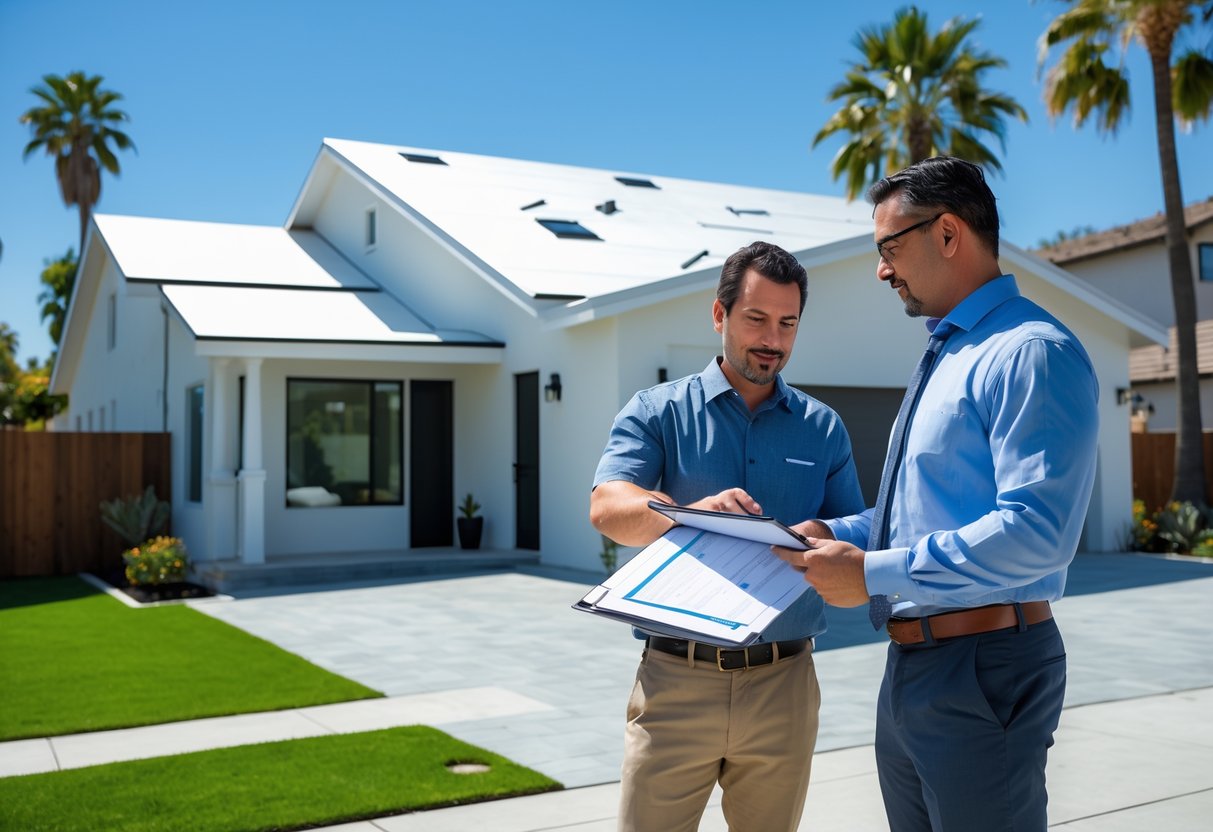
Los Angeles homeowners must navigate the LADBS permitting system and submit specific construction plans when replacing roofs to meet Title 24 cool-roof requirements. The process requires detailed documentation and proper permits to ensure compliance with local building codes.
Understanding LADBS and Its Role
The Los Angeles Department of Building and Safety (LADBS) oversees all roofing permits in the city. This agency ensures that roof replacement projects meet Title 24 cool-roof standards and local building codes.
LADBS reviews construction plans and issues permits for residential roofing projects. The department also conducts inspections during and after installation to verify compliance.
Homeowners can submit applications through the EPIC-LA online portal or visit local LADBS offices. The department provides application forms that include specific cool-roof requirements for different project types.
Key LADBS Services:
- Permit issuance and review
- Plan check services
- Construction inspections
- Code compliance verification
LADBS requires higher cool-roof standards than California’s statewide Title 24 requirements. Los Angeles mandates specific solar reflectance levels that exceed state minimums.
Required Permits for Roof Replacement
Most roof replacement projects in Los Angeles require building permits from LADBS. The type of permit depends on the project scope and building type.
Standard roof replacements need basic building permits. These cover material changes and structural modifications that don’t alter the roof’s footprint.
Complex projects involving structural changes may require additional permits. This includes modifications to roof framing or adding new penetrations.
Homeowners must obtain permits before starting work. Installing roofs without permits can result in fines and forced removal of materials.
Permit Requirements Include:
- Cool-roof compliance documentation
- Proof of property ownership
- Contractor licensing verification
- Insurance certificates
The permit application must specify cool-roof materials that meet LADBS reflectance standards. Some projects may qualify for expedited Express Permits if they meet specific criteria.
Typical Construction Plans and Documents
LADBS requires detailed construction plans for roof replacement permits. These plans must show compliance with Title 24 cool-roof requirements and local standards.
Essential construction plans include:
- Roof layout drawings
- Material specifications
- Cool-roof compliance calculations
- Structural details
Plans must specify the cool-roof materials and their reflectance values. The documentation should include manufacturer data sheets proving compliance with LADBS standards.
Homeowners need architectural drawings that show the roof’s dimensions and layout. These plans help LADBS verify that the project meets building codes.
Additional required documents:
- Title 24 compliance reports
- Energy efficiency calculations
- Contractor license information
- Property ownership proof
Construction plans must be prepared by licensed professionals for complex projects. Simple roof replacements may use standardized plan sets approved by LADBS.
The department reviews all plans during the permit process. Plan check fees apply based on the project’s scope and complexity.
Plan Check and Inspections
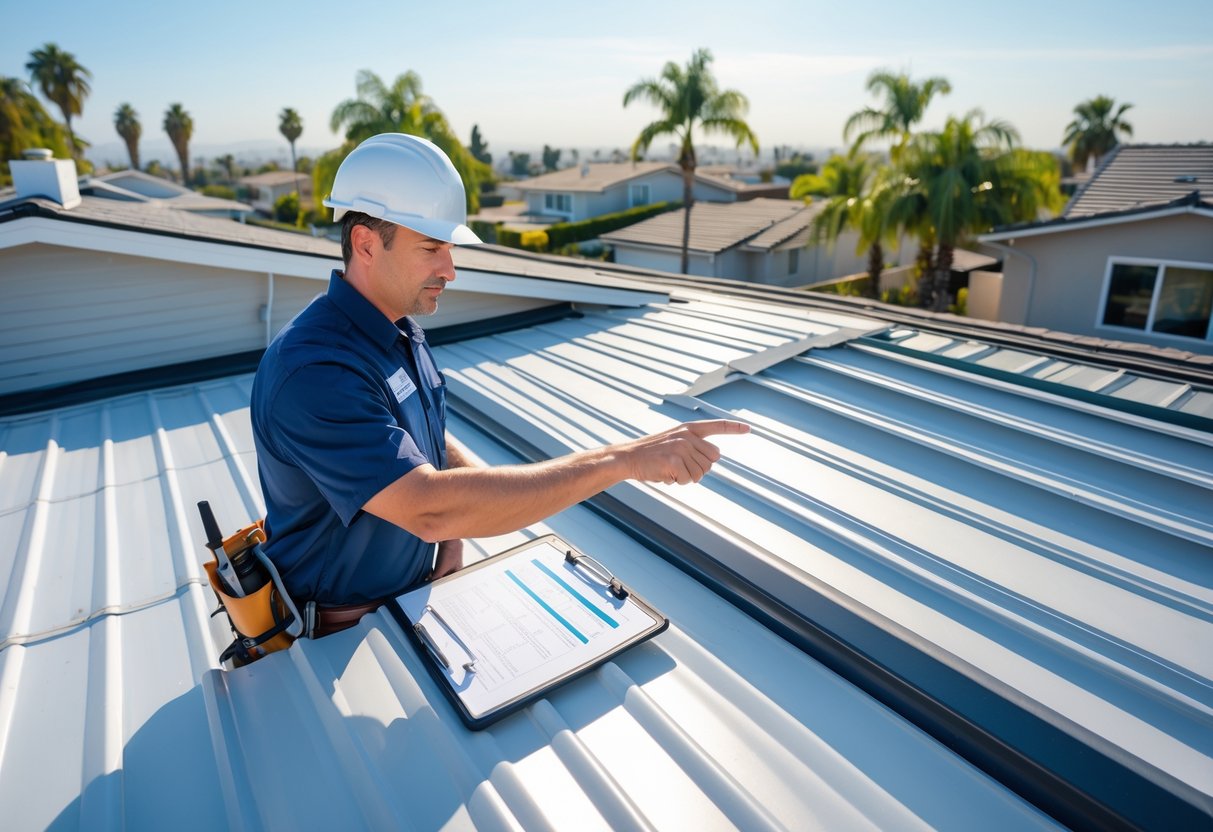
Los Angeles requires property owners to submit detailed documentation showing their roofing materials meet Title 24 cool roof standards before construction begins. Plan check engineers review these documents and verify compliance during the permit approval process.
What to Expect During Plan Checks
Plan check engineers examine roofing specifications to confirm materials meet Title 24 solar reflectance and thermal emittance requirements. They review product data sheets, manufacturer certifications, and Cool Roof Rating Council documentation.
Required Documentation:
- Solar reflectance values (0.20 minimum for steep slopes, 0.55 for low slopes)
- Thermal emittance values (0.75 minimum for both roof types)
- Manufacturer product certifications
- Cool Roof Rating Council test results
Engineers may request additional information if initial submissions lack required technical data. They also verify that proposed materials match California’s climate zone requirements for Los Angeles.
The review process typically takes 2-3 weeks for complete applications. Incomplete submissions cause delays and require resubmission with missing documentation.
Meeting with a Plan Check Engineer
Plan check engineers schedule meetings when applications need clarification or contain technical questions. These sessions help resolve compliance issues before final permit approval.
Property owners should bring complete product specifications and installation plans to these meetings. Engineers explain specific Title 24 requirements and suggest approved materials that meet standards.
Common Meeting Topics:
- Material substitutions for better compliance
- Installation methods for reflective coatings
- Climate zone-specific requirements
- Documentation corrections needed
Engineers may recommend pre-approved products from established manufacturers to streamline the approval process. They also clarify inspection requirements that occur after installation completion.
Most meetings last 30-45 minutes and result in clear next steps for permit approval.
Best Practices and Additional Considerations
Selecting the right contractor and maintaining your cool roof properly will ensure long-term performance and compliance with Title 24 requirements. These steps protect your investment and maximize energy savings.
Contractor Selection and Insurance
Homeowners should verify that contractors hold valid California state licenses and carry proper insurance coverage. The contractor should have specific experience with Title 24 cool roof installations and CRRC-certified materials.
Key contractor qualifications include:
- Current California contractor’s license
- Workers’ compensation insurance
- General liability insurance (minimum $1 million)
- Experience with cool roof installations
- Knowledge of local Los Angeles building codes
Request references from recent Title 24 projects in your area. A qualified contractor will provide detailed estimates that specify CRRC-certified materials and their SRI values.
Check that the contractor pulls proper permits for roof replacement projects. They should handle the documentation process and ensure all materials meet the minimum SRI of 20 required in Los Angeles County.
Verify insurance coverage directly with the insurance company. This protects homeowners from liability if accidents occur during installation.
Maintenance Tips for Cool Roofs
Regular maintenance preserves the reflective properties that make cool roofs effective under Title 24 standards. Clean roofs reflect more sunlight and maintain their energy efficiency longer.
Essential maintenance tasks:
- Remove debris quarterly
- Clean with mild soap and water annually
- Inspect for damage after storms
- Clear gutters to prevent water backup
- Trim overhanging tree branches
Avoid pressure washing, which can damage reflective coatings. Use a garden hose and soft brush instead for cleaning.
Schedule professional inspections every two years. Contractors can identify coating deterioration or damage that affects the roof’s reflective performance.
Replace damaged shingles promptly with CRRC-certified materials that match the original SRI rating. This maintains Title 24 compliance throughout the roof’s lifespan.
Frequently Asked Questions
Los Angeles homeowners must meet specific solar reflectance and thermal emittance values under Title 24. Compliance requires proper documentation, certified materials, and qualified installation with potential rebates available through LADWP programs.
What are the minimum cool-roof requirements for residential buildings under Los Angeles’ Title 24 regulations?
Residential buildings in Los Angeles must follow California’s Title 24 energy efficiency standards for cool roofs. The requirements depend on the roof slope and building type.
Steep-sloped roofs with a slope greater than 2:12 need a minimum solar reflectance of 0.20. These roofs also require a thermal emittance of at least 0.75.
Low-sloped roofs with a slope of 2:12 or less have stricter requirements. They need a minimum solar reflectance of 0.55 and thermal emittance of 0.75.
These standards apply to new construction and major roof replacements. Los Angeles follows statewide Title 24 regulations that became effective in 2023.
Solar reflectance measures how well a roof reflects sunlight. Thermal emittance shows how effectively the roof releases absorbed heat.
How can homeowners in Los Angeles ensure compliance with Title 24 when installing a new roof?
Homeowners should start by selecting roofing materials certified by the Cool Roof Rating Council. This organization is the only authority recognized by the California Energy Commission for certifying cool roof materials.
Working with qualified contractors experienced in Title 24 requirements is essential. These contractors understand local building codes and proper installation techniques.
Materials like reflective TPO membranes, light-colored coatings, and treated metal roofing commonly meet the standards. Asphalt shingles with reflective granules also work for steep-sloped roofs.
Homeowners must obtain proper building permits before starting work. The contractor should handle permit applications and provide compliance documentation.
Installation must follow manufacturer specifications to maintain product certifications. Proper installation ensures the roof meets performance requirements during inspections.
Are there any exceptions or special considerations for historic homes regarding Title 24 cool-roof guidelines?
Title 24 requirements may have exceptions for historic homes in certain circumstances. Local building departments typically handle requests for variances on a case-by-case basis.
Historic homes may qualify for alternative compliance paths if standard cool roof materials conflict with preservation requirements. Property owners must work with local authorities to explore options.
Some jurisdictions allow equivalent measures that achieve similar energy savings. These might include enhanced insulation or other energy efficiency improvements.
Homeowners should consult with the Los Angeles Department of Building and Safety early in the planning process. Historic preservation offices may also need to review proposed changes.
Documentation requirements remain important even with exceptions. Property owners must still demonstrate energy efficiency compliance through approved methods.
What are the potential penalties for not meeting Title 24 cool-roof standards in Los Angeles?
Property owners face potential fines and legal issues for failing to comply with Title 24 requirements. The Los Angeles Department of Building and Safety enforces these standards during inspections.
Non-compliant roofing installations may require costly corrections or complete replacement. Building permits can be denied or revoked if materials don’t meet standards.
Properties may face stop-work orders until compliance issues are resolved. This delays project completion and increases overall costs.
Insurance claims could be affected if roofing doesn’t meet current building codes. Some policies may not cover damage to non-compliant installations.
Future property sales may encounter complications if roofing doesn’t meet required standards. Buyers often request compliance documentation during transactions.
Can installing a cool roof in Los Angeles result in any rebates or incentives for homeowners?
The Los Angeles Department of Water and Power offers rebates through their Consumer Rebate Program. However, these rebates primarily target commercial buildings rather than residential properties.
Commercial building owners can access rebates through LADWP’s Custom Performance Program. Materials must meet specific Solar Reflectance Index standards to qualify.
Residential homeowners may find rebates through other utility programs or state incentives. These programs change frequently, so homeowners should check current availability.
Applications typically require proof of purchase, approved building permits, and LADWP bill copies. Submissions must occur within 12 months of installation completion.
Cool roofs provide long-term energy savings even without direct rebates. Lower cooling costs can offset installation expenses over time.
What is the process for documenting and certifying that a cool roof meets Title 24 requirements in Los Angeles?
Contractors must provide detailed product specifications showing solar reflectance and thermal emittance values. These documents come from manufacturer testing and certification programs.
The Cool Roof Rating Council maintains a database of certified products. Materials must appear in this database to qualify for Title 24 compliance.
Installation records and photographs may be required during inspections. These documents prove proper installation according to manufacturer guidelines.
Building permit applications must include compliance documentation before approval. City inspectors verify materials and installation meet Title 24 standards.
Property owners should maintain all compliance records permanently. These documents may be needed for future sales, insurance claims, or code enforcement issues.