
Replacing a roof is one of the biggest home improvement expenses homeowners face, with costs ranging from $6,700 to $25,000 or more. When breaking down where your money goes during a roof replacement project, many people wonder which component takes the biggest bite out of their budget.
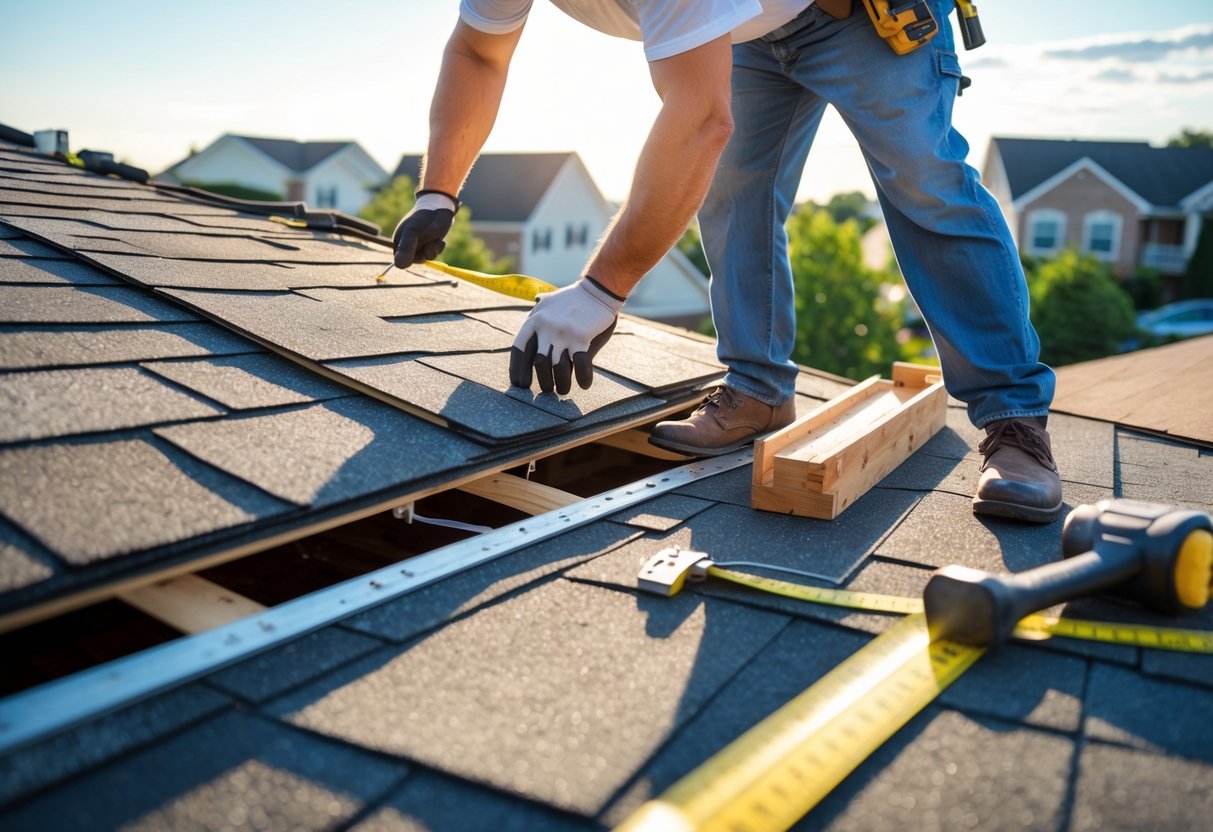
The roofing material itself is typically the most expensive part of a roof replacement, often accounting for the largest portion of the total cost. While asphalt shingles cost around $80-250 per 100 square feet, premium materials like slate can run $600-1,600 per 100 square feet. Metal roofing falls somewhere in between at $100-800 per 100 square feet, making material choice the primary factor that drives up replacement costs.
However, materials aren’t the only major expense to consider. Labor costs, structural repairs, and special features like skylights or chimneys can also add thousands to the final bill. Understanding these cost factors helps homeowners make smart decisions about their roof replacement and budget accordingly for this significant investment.
Key Takeaways
- Roofing materials represent the largest expense in most roof replacement projects, with premium options costing significantly more than basic asphalt shingles
- Labor and installation costs vary based on roof complexity, location, and seasonal demand for roofing services
- Pre-existing damage to roof structures and special features like chimneys or skylights can add substantial costs to the replacement project
Identifying the Most Expensive Part of Roof Replacement
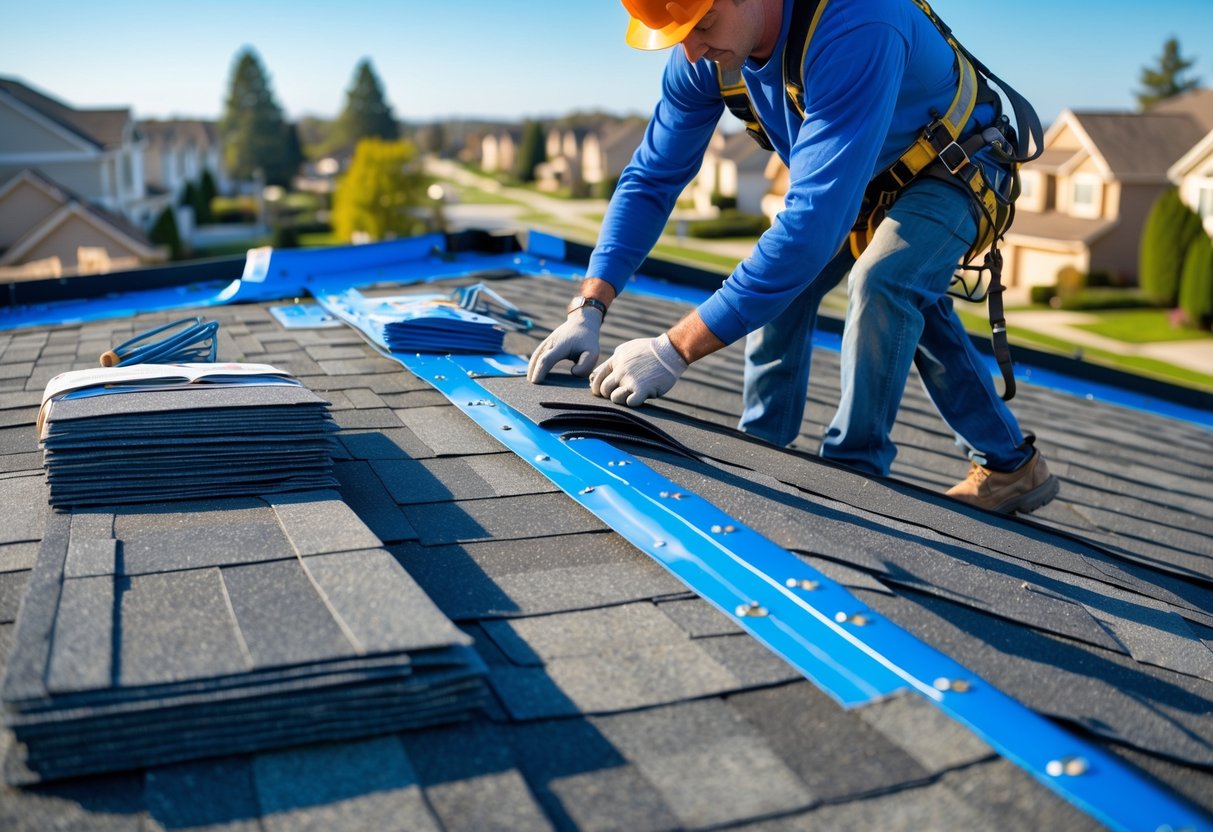
Roofing materials typically make up the largest portion of roof replacement cost, though labor costs can exceed material expenses in certain situations. Complex roof designs create additional challenges that drive up both material waste and installation time.
Material Costs vs. Labor Costs
Roofing materials represent 40-60% of most roofing project budgets. Basic asphalt shingles cost $80-250 per 100 square feet, while premium options create much higher expenses.
Metal roofing ranges from $100-800 per 100 square feet. Slate roofing costs $600-1,600 per 100 square feet, making it the most expensive part of a new roof for many homeowners.
Labor costs typically account for 30-40% of total expenses. A roofing contractor charges $50-75 per hour in most areas. Urban locations often see higher rates.
| Material Type | Cost per 100 sq ft | Typical Labor Hours |
|---|---|---|
| Asphalt Shingles | $80-250 | 6-8 hours |
| Metal Roofing | $100-800 | 8-12 hours |
| Slate | $600-1,600 | 12-16 hours |
Simple roof designs keep labor costs predictable. Standard installation takes 1-3 days for most homes.
When Labor Becomes the Biggest Expense
Labor costs exceed material costs when structural repairs are needed. Damaged roof decking requires replacement before new materials go on.
Water damage creates hidden problems that increase installation time. Rotted beams need replacement, adding days to the project timeline.
Steep roof angles slow down work significantly. Workers need safety equipment and move more carefully on slopes above 6/12 pitch.
Multiple roof levels create complexity for roofing contractors. Each level change requires special flashing and careful sealing work.
Removal of multiple old roof layers adds substantial labor time. Some homes have 2-3 layers that need careful removal and disposal.
Homes with many penetrations like chimneys, vents, and skylights require extra sealing work. Each opening needs custom flashing installation.
Complex Roof Designs and Their Impact
Intricate roof shapes drive up both material and labor costs substantially. Hip roofs require more cutting and fitting than simple gable designs.
Dormers create additional complexity that increases installation time. Each dormer needs separate flashing and waterproofing details.
Material waste increases dramatically on complex roofs. Irregular shapes can waste 15-20% more materials than simple rectangular roofs.
Valleys between roof sections need special underlayment and flashing. These areas require skilled installation to prevent future leaks.
Custom architectural features like turrets or curved sections demand specialized installation techniques. Few roofing contractors have experience with unusual designs.
Timing becomes critical on complex roofing projects. Weather delays affect intricate roofs more than simple installations, extending project duration and costs.
Roofing Materials: Primary Cost Drivers
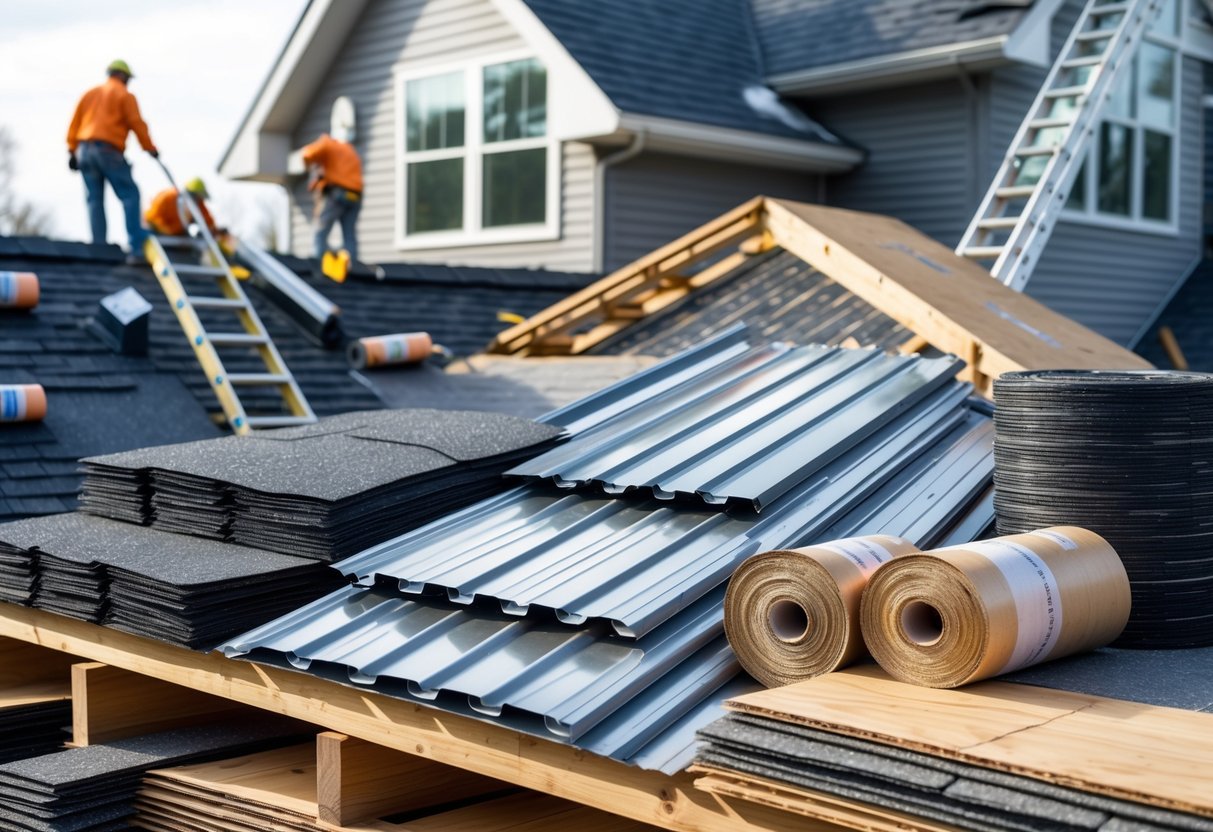
Roofing materials represent the largest expense in most replacement projects, often accounting for 40-60% of total costs. Material prices vary dramatically based on type, quality, and performance characteristics, with costs ranging from $80 per 100 square feet for basic options to over $3,000 for premium materials.
Cost Comparison of Common Roofing Materials
Asphalt shingles remain the most budget-friendly choice at $80-250 per 100 square feet. They offer decent performance for homeowners seeking basic protection without major upfront investment.
Metal roofing costs significantly more at $100-800 per 100 square feet. The wide price range reflects different metal types, from basic steel to premium copper options.
Slate roofing represents the highest-end option, starting around $1,500 per 100 square feet and reaching $3,000 or more. The natural stone material requires specialized installation techniques that add to overall expenses.
| Material Type | Cost Range (per 100 sq ft) | Installation Difficulty |
|---|---|---|
| Asphalt Shingles | $80-250 | Low |
| Metal Roofing | $100-800 | Medium |
| Slate | $1,500-3,000+ | High |
Premium Material Options: Metal and Slate
Metal roofs offer excellent durability and come in various forms. Steel options provide the most affordable metal choice, while copper roofing commands premium prices due to its distinctive appearance and longevity.
Slate roofing stands out as the most expensive roofing material available. Each slate tile requires careful placement by skilled craftsmen. The natural stone withstands extreme weather conditions better than most alternatives.
Premium materials justify their higher costs through superior performance. Metal roofs resist fire, insects, and rot while maintaining structural integrity for decades. Slate provides unmatched elegance and can last over 100 years with proper maintenance.
Material Lifespan and Value
Budget materials like asphalt shingles typically last 15-20 years before requiring replacement. This shorter lifespan means homeowners face roofing expenses more frequently.
Premium roofing materials offer dramatically longer service lives. Metal roofs can last 40-70 years depending on the specific material. Slate roofing often exceeds 100 years, making it a lifetime investment for many homeowners.
The cost per year of service tells the real story. Asphalt shingles might cost $5-12 annually per 100 square feet over their lifespan. Slate, despite its high upfront cost, may cost only $15-30 annually when spread across its century-long service life.
Energy Efficiency Considerations
Modern roofing materials significantly impact home energy costs. Metal roofs reflect solar heat effectively, reducing cooling costs by 10-25% in hot climates.
Energy efficiency varies widely among materials. Light-colored metal roofing performs best in warm regions, while darker materials can help with heating in colder areas.
Some premium materials qualify for energy efficiency tax credits. Metal roofing with proper coatings often meets Energy Star requirements. These incentives can offset higher material costs through reduced utility bills and tax savings.
Reflective roofing materials reduce urban heat islands and lower strain on air conditioning systems. The long-term energy savings from efficient materials can justify higher upfront roofing expenses over the material’s lifetime.
Labor Expenses in Roof Installation
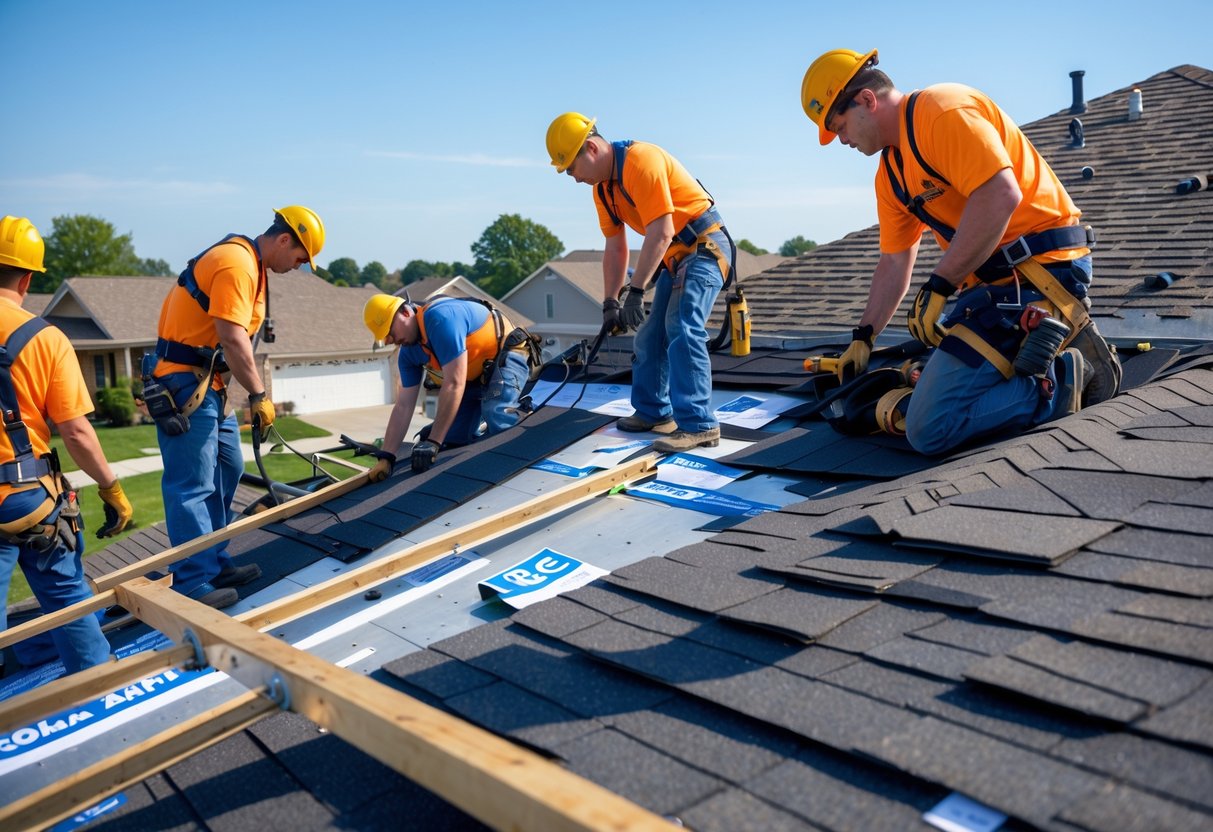
Labor expenses typically account for 40-60% of total roof replacement costs, making them one of the largest budget items. The expertise required, local market rates, and physical demands of the project all contribute to these significant expenses.
Factors Influencing Labor Costs
Several key factors determine how much homeowners pay for roofing labor. The complexity of the installation plays a major role in pricing.
Skill Level Requirements Experienced roofing contractors command higher rates than general laborers. Their expertise prevents costly mistakes and ensures proper installation techniques.
Safety Protocols Professional roofers must follow strict safety measures. This includes specialized equipment, training, and insurance coverage that adds to labor expenses.
Installation Complexity Simple gable roofs cost less to install than complex designs with multiple angles. Features like skylights, chimneys, and dormers require additional time and specialized skills.
Material Type Different roofing materials demand varying skill levels. Installing basic asphalt shingles costs less than metal roofing or slate tiles, which require specialized knowledge.
The time required for installation directly impacts labor costs. Weather delays, permit requirements, and structural repairs can extend project timelines and increase expenses.
Local Labor Rates and Regional Variations
Geographic location significantly affects roofing labor costs. Urban areas typically have higher rates than rural regions due to increased demand and living costs.
Regional Price Differences Labor rates vary widely across the country. Metropolitan areas like New York or San Francisco charge premium rates compared to smaller cities.
Market Demand Areas with high construction activity or limited contractor availability see elevated labor costs. Storm-damaged regions often experience temporary price increases.
Local Regulations Building codes and permit requirements differ by location. Some areas require additional inspections or specialized certifications that impact labor expenses.
Cost of Living Regions with higher living costs typically have more expensive labor rates. This includes housing, fuel, and general business operating expenses that contractors pass to customers.
Seasonal demand also affects pricing. Spring and summer months often see higher rates due to increased roofing activity.
Roof Size and Roof Pitch Effects
Roof size directly correlates with labor expenses since contractors typically charge per square foot. Larger roofs require more time, materials, and workers to complete.
Square Footage Impact Most roofing contractors price projects between $25-$40 per square foot for labor. A 2,000 square foot roof costs significantly more than a 1,000 square foot project.
Roof Pitch Considerations Steep roof pitches increase labor costs due to safety requirements and installation difficulty. Roofs with slopes above 6/12 pitch require additional safety equipment and slower work progress.
| Roof Pitch | Labor Cost Impact |
|---|---|
| Low (2/12-4/12) | Standard rates |
| Medium (4/12-6/12) | 10-15% increase |
| Steep (6/12+) | 20-40% increase |
Access Challenges Multi-story homes or roofs with limited access points require additional setup time. This includes scaffolding, safety equipment, and material transportation that increases labor expenses.
The combination of roof size and pitch creates the biggest impact on total labor costs for roof installation projects.
Roof Structure and Underlying Repairs
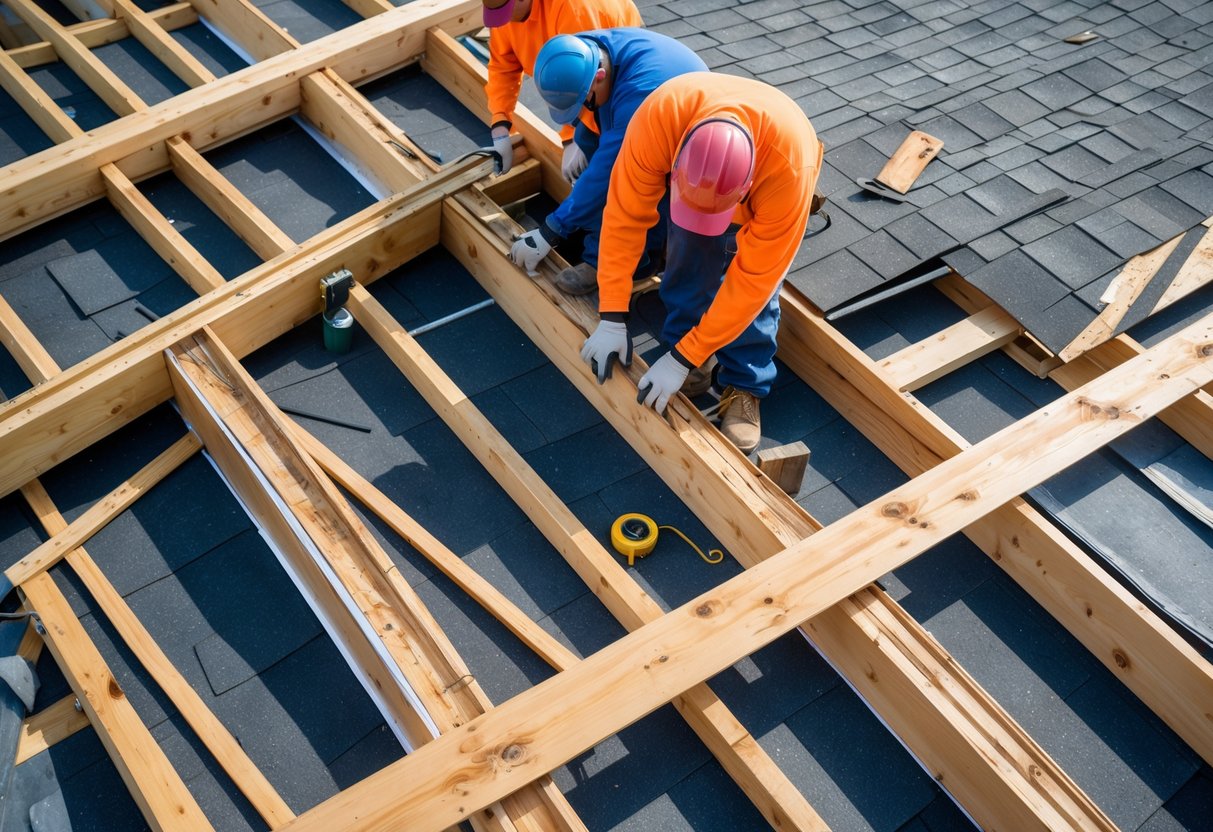
The roof structure often contains hidden problems that add major costs to replacement projects. Roof deck damage and water issues can double or triple the expected budget when discovered during installation.
Roof Deck Replacement and Damage
The roof deck forms the foundation for all roofing materials. When this plywood or wooden base gets damaged, homeowners face expensive repairs before new materials can go on.
Common roof deck problems include:
- Rot from water leaks
- Sagging from age or heavy snow loads
- Termite or insect damage
- Missing or loose sections
Replacing damaged roof deck costs $2 to $5 per square foot on top of regular roofing expenses. A typical home might need 500 to 1,500 square feet of new decking.
The roof structure underneath can also need repairs. Rafters or trusses may require reinforcement or replacement. These structural fixes cost $10 to $20 per square foot.
Many contractors cannot see deck damage until they remove old shingles. This surprise often increases project costs by $1,000 to $5,000.
Water Damage and Structural Issues
Water damage creates some of the most expensive roof structure problems. Leaks that go unnoticed for months or years can destroy large sections of the roof system.
Water damage typically affects:
- Roof deck boards
- Insulation materials
- Support beams
- Interior walls and ceilings
Fixing water damage costs much more than simple roof deck replacement. Homeowners may need mold removal, new insulation, and interior repairs.
Structural issues from water damage can cost $5,000 to $15,000 to fix. The roof structure may need major reinforcement to meet current safety standards.
Insurance sometimes covers water damage repairs. However, many policies exclude damage from long-term leaks or poor maintenance.
Building Codes and Permit Requirements
Modern building codes often require roof structure upgrades during replacement projects. These code requirements add significant costs that homeowners do not expect.
Common code upgrades include:
- Adding hurricane straps or clips
- Increasing insulation thickness
- Installing proper ventilation systems
- Upgrading electrical connections
Permit costs range from $100 to $500 in most areas. However, the required upgrades cost much more than the permits themselves.
Building codes vary by location and climate. Areas with high winds or heavy snow loads have stricter requirements. These regions may require expensive structural reinforcements.
Contractors must bring the entire roof structure up to current codes. This rule applies even when replacing just the surface materials. Code compliance can add $2,000 to $8,000 to roof replacement costs.
Additional Features and Their Costs
Special roof features can add thousands of dollars to your replacement project. These upgrades range from functional elements like skylights to decorative features that boost your home’s value.
Skylights and Chimneys
Skylights require careful removal and reinstallation during roof replacement. The process involves precise sealing and flashing work to prevent leaks. Each skylight adds $200-$500 to labor costs depending on size and complexity.
New skylight installation costs $800-$2,500 per unit. Energy-efficient models with double glazing cost more but reduce heating bills. Fixed skylights are cheaper than venting models.
Chimneys present unique challenges during roof work. Contractors must repair or replace flashing around the base. Damaged chimney caps or brickwork add $300-$1,200 to project costs.
Proper chimney integration prevents water damage. The work includes sealing joints and matching new roofing materials to the chimney structure.
Ventilation and Insulation Upgrades
Ridge vents cost $5-$10 per linear foot to install. These vents improve airflow and reduce energy costs. Most homes need 10-40 feet of ridge venting.
Soffit vents work with ridge vents to create proper air circulation. Installation adds $8-$15 per vent. Homes typically need one soffit vent every 150 square feet.
Insulation upgrades during roof replacement save money long-term:
- Blown-in insulation: $1.50-$3.50 per square foot
- Spray foam insulation: $3-$7 per square foot
- Radiant barriers: $0.50-$1 per square foot
Better insulation reduces heating and cooling bills by 15-30%. The investment pays back within 5-10 years through energy savings.
Custom Roof Features and Curb Appeal
Dormers add architectural interest but increase installation complexity. Simple shed dormers cost $8,000-$15,000 each. Gabled dormers with windows cost $12,000-$25,000.
Decorative elements like copper gutters boost curb appeal. Copper costs $15-$25 per linear foot compared to $3-$8 for aluminum. The premium material lasts 50+ years.
Premium roofing accents include:
- Cedar shake ridges: $8-$12 per linear foot
- Decorative snow guards: $3-$8 each
- Custom flashing details: $5-$15 per linear foot
These features increase home value but require skilled installation. Complex roof designs with multiple angles and levels can double labor costs compared to simple roof shapes.
Other Roofing Expenses to Consider
Beyond materials and labor, roof replacement costs include several additional expenses that can significantly impact the total project budget. Waste disposal fees, required permits, and proper cost planning are essential factors that homeowners must account for when budgeting their roofing project.
Waste Removal and Cleanup Fees
Old roofing materials generate substantial waste that requires proper disposal. Most roofing projects produce 1 to 3 tons of debris per 1,000 square feet of roof area.
Contractors typically charge $300 to $800 for waste removal services. This covers hauling away old shingles, underlayment, and damaged decking materials.
Dumpster rental represents another cost option. Homeowners can rent a 20-yard dumpster for $400 to $600 for a week.
Some areas require special disposal methods for certain materials. Asbestos-containing materials need certified removal, which costs $1,000 to $3,000 additional.
Cleanup services extend beyond debris removal. Workers must clear gutters, sweep driveways, and remove nails from the property.
Permits and Inspections
Most municipalities require building permits for roof replacement projects. Permit fees typically range from $150 to $500 depending on the local jurisdiction and project scope.
Structural modifications or additions require separate permits. These cost an additional $100 to $300 per permit.
Building inspections occur at multiple project phases. Initial inspections verify structural integrity before installation begins.
Final inspections ensure compliance with local building codes. Failed inspections result in additional fees ranging from $75 to $150 per re-inspection.
Some areas mandate energy efficiency inspections. These focus on proper insulation and ventilation installation.
Processing time affects roofing costs indirectly. Permit delays can extend project timelines and increase labor expenses.
Managing and Planning Roofing Costs
Accurate cost estimation requires detailed contractor quotes from at least three licensed professionals. Each quote should itemize materials, labor, and additional expenses separately.
Seasonal timing significantly impacts roofing costs. Spring and summer projects cost 10% to 20% more due to high demand.
Fall installations often provide cost savings. Winter projects may offer the lowest prices but weather delays increase risks.
Contingency budgets help manage unexpected expenses. Homeowners should allocate an additional 10% to 15% beyond the quoted price.
Financing options include home equity loans, personal loans, and contractor payment plans. Each option carries different interest rates and terms.
Insurance coverage may offset some roof replacement costs. Storm damage claims can reduce out-of-pocket expenses significantly.
Regular maintenance extends roof lifespan and reduces replacement frequency. Annual inspections cost $200 to $400 but prevent costly repairs.
Frequently Asked Questions
Homeowners often have specific questions about roof replacement costs and what drives the biggest expenses. Material selection, labor complexity, and project scope significantly impact the final price of a new roof.
What factors contribute to the high cost of roofing materials?
Material quality and durability determine most roofing costs. Premium materials like slate cost $600-1600 per 100 square feet and last over 100 years.
Asphalt shingles cost $80-250 per 100 square feet but only last 15-30 years. Metal roofing ranges from $100-800 per 100 square feet and lasts 40-70 years.
Weight requirements also affect costs. Heavy materials like slate need stronger roof structures and reinforcement work.
How does roof size and complexity affect replacement costs?
Simple, flat roofs cost less to replace than complex designs. Steep pitches require more safety equipment and skilled labor.
Multiple levels and intricate shapes increase installation time. Each additional roof feature adds labor hours and material needs.
Valleys and dormers require precise work and extra materials. These areas need careful attention to prevent leaks.
Is there a significant price difference between various roofing types?
Roofing material costs vary dramatically by type. Asphalt shingles represent the most affordable option for most homeowners.
Metal roofing costs 25-300% more than basic asphalt but offers longer life. Slate roofing costs 600-700% more than asphalt shingles.
Each material type has different installation requirements. Some materials need special tools or training that increase labor costs.
Can labor costs vary significantly for roof replacement projects?
Geographic location affects labor rates substantially. Areas with higher living costs have higher roofing labor rates.
Seasonal demand drives up prices during spring and summer. Off-peak installation can reduce labor costs by 10-20%.
Roof complexity determines labor time needed. Simple roofs take 1-3 days while complex designs need 5-10 days.
What additional expenses should be considered when budgeting for a roof replacement?
Old roof removal and disposal add significant costs. Multiple layers of old roofing increase removal time and disposal fees.
Structural repairs often surface during replacement. Rotting wood, water damage, and pest damage require fixing before installation.
Permits and inspections cost $100-500 in most areas. Special features like skylights and chimneys need extra work and materials.
How does the choice of contractor impact the overall cost of roof replacement?
Experienced contractors charge more but deliver better quality work. Poor installation leads to expensive repairs within a few years.
Licensed and insured contractors cost more upfront. They provide protection against accidents and workmanship problems.
Contractor reputation affects pricing and project outcomes. Established companies often charge premium rates for proven reliability.